
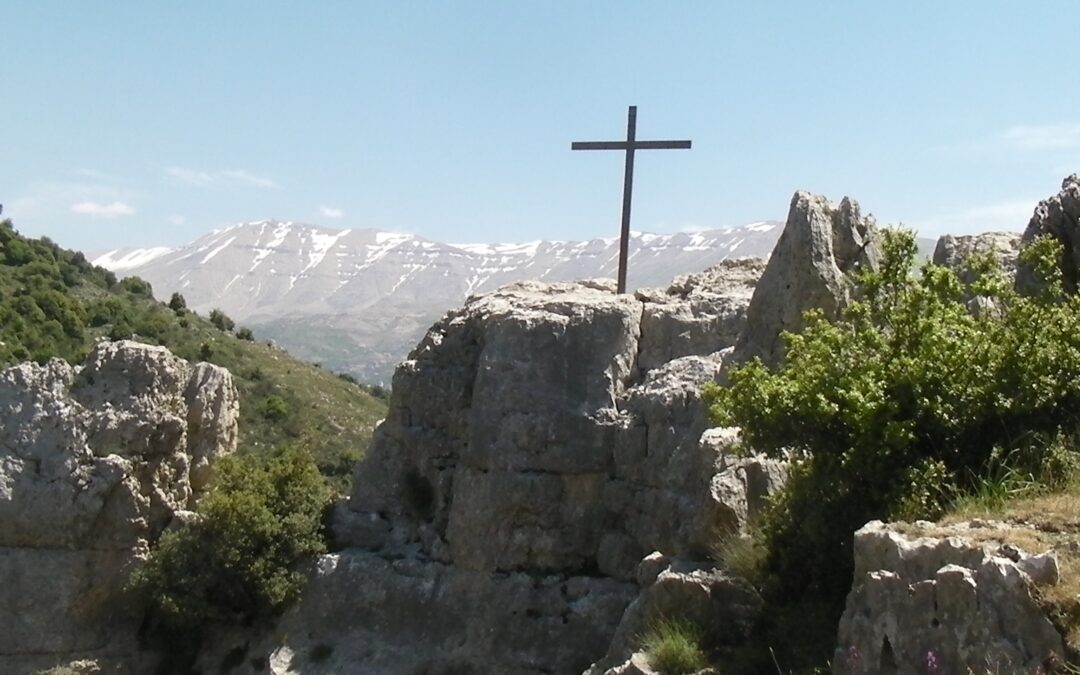
Mot du Père Provincial : Entre Souffrance et Espérance
Nous entrons aujourd’hui dans la Semaine Sainte. Ayant célébré l’entrée triomphale de Jésus à Jérusalem, nous avons lu sa Passion selon Saint Matthieu. La joie et la fête sont derrière nous et nous entrons dans le mystère de Jésus qui se donne entièrement pour nous sauver. En attendant la Résurrection, c’est ce don de soi total — et la souffrance qui en découle — qui retient toute notre attention.
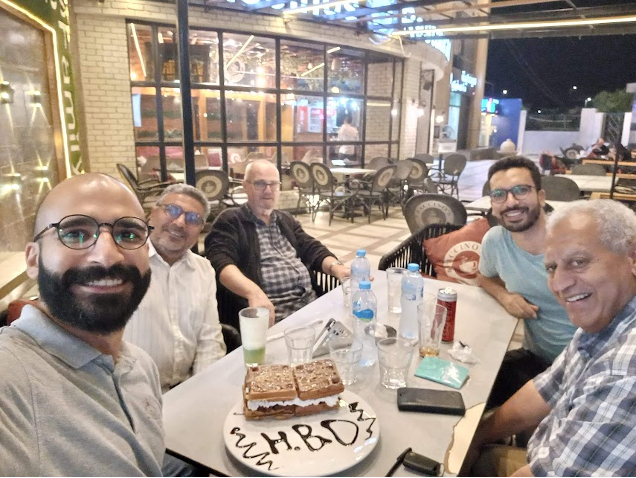
الخبرة الكبيرة – المبتدئ روجيه مجدي
كل راهب يسوعي فور انضمامه للرهبنة يكون في مرحلة الابتداء. ومن مراحل التكوين أن في عامه الثاني للابتداء يذهب في خبرة طويلة. وعليه فقد كان محدد لي أن أرسل إلى مدينة المنيا لقضاء وقت خبرتي هناك حيث يوجد مُجمع به دير اليسوعيين، ملحق بمدرسة الآباء اليسوعيين، وجمعية “الجزويت والفرير” التنموية، ومبنى لتكوين الشباب. وعلى مسافة 20 دقيقة سيرًا على الأقدام، جنوبًا من/قبلي المدرسة يوجد مبنى الفرير بمنطقة جاد السيد الذي فيه تتم أنشطة تعليمية وتربوية لأهل المنطقة. ويُدعى الفرير نسبة لأول من أسسه الفرير شمعون اليسوعي لبناني الأصل.
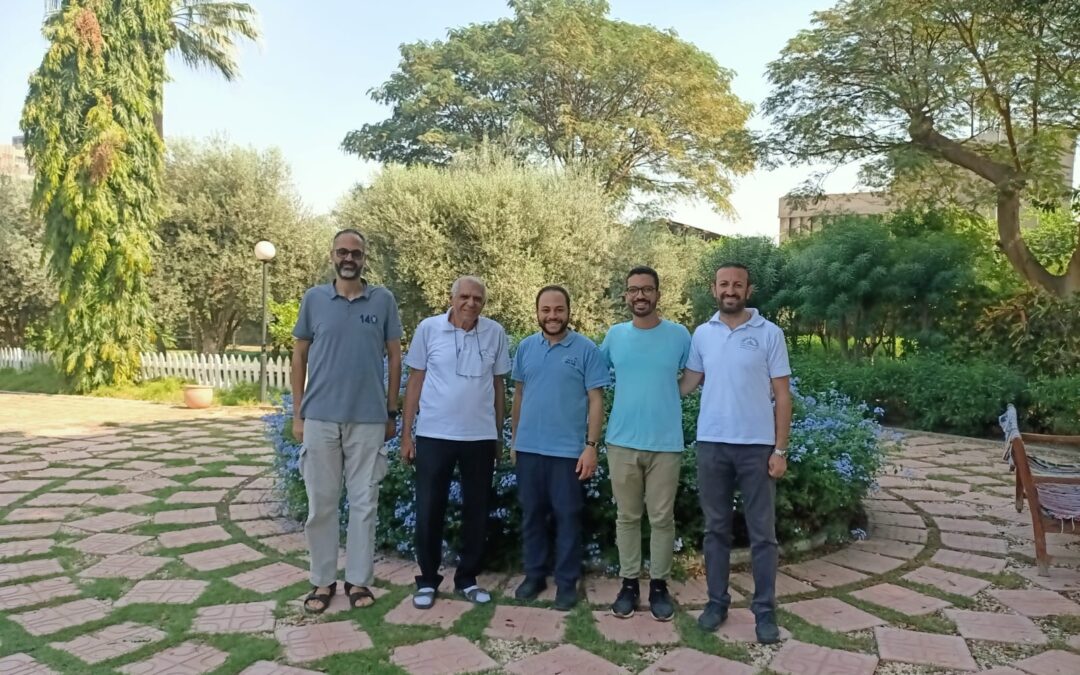
الخبرة الكبيرة ـ المبتدىء ألان الياس
من قلب يفيض بالشكر والامتنان المؤمن للثالوث القدوس الآب والابن والروح القدس الحاضر معي وفيَّ ومن خلالي برحمة لا توصف وحبٍ لا محدود، مصدر حياتي وغايتها. وبامتنان كبير للرهبانية اليسوعية وسخائها الكبير في مجال التنشئة والتكوين، التي اتاحت لي فرصة عيش الخبرة الكبيرة في جماعتين مختلفتين، في حين أن الهدف الأساسي لهذه الخبرة في كلا الجماعتين كان التركيز على تعلم اللغة الفرنسية التي أنا بأشد الحاجة إلى معرفتها وتعلمها، والتي درستها في معهد إتوال الخاص للغة لمدة 6 أسابيع، وقد كان وقتاً مثمراً للغاية، وعليه لم يكن لي من فرصة للمشاركة في عمل رسولي معين، إلا ما كان يُطلب مني بطريقة شخصية.

Living and studying in Rome has given me a privileged vantage point into both the international character of the Society of Jesus and the deep catholicity, the universality, of the Church. Within my own community, I have shared life with Jesuits from every continent, each bringing their own history, theological intuitions, and pastoral practices. This experience has stretched my heart and broadened my mind. At the same time, being in Rome allows me to experience the universal Church not as a distant institution but as a living, breathing communion of cultures and voices.
My academic experience enables me to speak highly of the Pontifical Biblical Institute, the Biblicum, of the Gregorian University. It is a rigorous and academically grounded program that forms scripture scholars to be both faithful to the Church and responsible researchers and interpreters of the Word of God. The program allows students to master ancient languages and technical critical tools so as to be shaped by the text and learn to enter into the Bible with reverence, clarity, and academic responsibility. For this reason, I would absolutely encourage provinces to send Jesuits to Rome, especially to the Biblicum. The programs is long and demanding to equip the individual not just for academic excellence but also for deeper service in the ministry of the Word across the globe.
Presently, I am working on a doctorate on the Christian Arabic Versions of Isaiah: Translation Techniques in Greek and Syriac-Based Manuscripts. It is an attempt to learn about how each translator’s understanding, background, and instinct weighed on the task, shaping the final text in subtle but meaningful ways. In essence, I study these ancient translations and explore how their differences reveal layers of interpretation, culture, and theology.
Working with early Christian Arabic versions of the text, some of which were created over a thousand years ago is deeply compelling in the fact that this is a Jewish book, translated by Christians, into Arabic, the language of Islam. These ancient manuscripts open a window into how early Arabic-speaking Christian communities understood Isaiah’s prophetic voice as if eavesdropping on a centuries-old conversation about faith, justice, and divine presence, a conversation that is still deeply relevant today.
What makes this research particularly exciting is that many of these Arabic translations were not directly created from Hebrew but from Greek or Syriac versions. Tracing how the meaning of Isaiah evolved as it passed through different languages and cultures is indeed inspiring. Each translation adds a new dimension, a shift in tone or emphasis, which reveals how different communities heard God’s word in their own time and place, academically this is called reception history. There is also a certain thrill in physically examining manuscripts that are over a millennium old. It is an archaeology of books, where every ink stroke, margin note, or unusual phrase offers a new clue in an unfolding mystery.
Beyond the academic adventure, this work is also deeply personal. It brings to light the rich and often overlooked heritage of Arabic-speaking Christians, communities that have preserved and interpreted Scripture with remarkable insight and faithfulness. By studying these texts, I hope not only to better understand the biblical tradition, but also to highlight voices that deserve to be heard in today’s broader conversations about faith, language, and identity. In a world where so much can get lost in translation, culturally, politically, spiritually, it feels as a rare gift to work on what helps understanding and bridges those divides.
Peter Gadalla, SJ
أخبار ذات صلة
Mot du Père Provincial : Entre Souffrance et Espérance
Nous entrons aujourd’hui dans la Semaine Sainte. Ayant célébré l’entrée triomphale de Jésus à Jérusalem, nous avons lu sa Passion selon Saint Matthieu. La joie et la fête sont derrière nous et nous entrons dans le mystère de Jésus qui se donne entièrement pour nous sauver. En attendant la Résurrection, c’est ce don de soi total — et la souffrance qui en découle — qui retient toute notre attention.
الخبرة الكبيرة – المبتدئ روجيه مجدي
كل راهب يسوعي فور انضمامه للرهبنة يكون في مرحلة الابتداء. ومن مراحل التكوين أن في عامه الثاني للابتداء يذهب في خبرة طويلة. وعليه فقد كان محدد لي أن أرسل إلى مدينة المنيا لقضاء وقت خبرتي هناك حيث يوجد مُجمع به دير اليسوعيين، ملحق بمدرسة الآباء اليسوعيين، وجمعية “الجزويت والفرير” التنموية، ومبنى لتكوين الشباب. وعلى مسافة 20 دقيقة سيرًا على الأقدام، جنوبًا من/قبلي المدرسة يوجد مبنى الفرير بمنطقة جاد السيد الذي فيه تتم أنشطة تعليمية وتربوية لأهل المنطقة. ويُدعى الفرير نسبة لأول من أسسه الفرير شمعون اليسوعي لبناني الأصل.
الخبرة الكبيرة ـ المبتدىء ألان الياس
من قلب يفيض بالشكر والامتنان المؤمن للثالوث القدوس الآب والابن والروح القدس الحاضر معي وفيَّ ومن خلالي برحمة لا توصف وحبٍ لا محدود، مصدر حياتي وغايتها. وبامتنان كبير للرهبانية اليسوعية وسخائها الكبير في مجال التنشئة والتكوين، التي اتاحت لي فرصة عيش الخبرة الكبيرة في جماعتين مختلفتين، في حين أن الهدف الأساسي لهذه الخبرة في كلا الجماعتين كان التركيز على تعلم اللغة الفرنسية التي أنا بأشد الحاجة إلى معرفتها وتعلمها، والتي درستها في معهد إتوال الخاص للغة لمدة 6 أسابيع، وقد كان وقتاً مثمراً للغاية، وعليه لم يكن لي من فرصة للمشاركة في عمل رسولي معين، إلا ما كان يُطلب مني بطريقة شخصية.
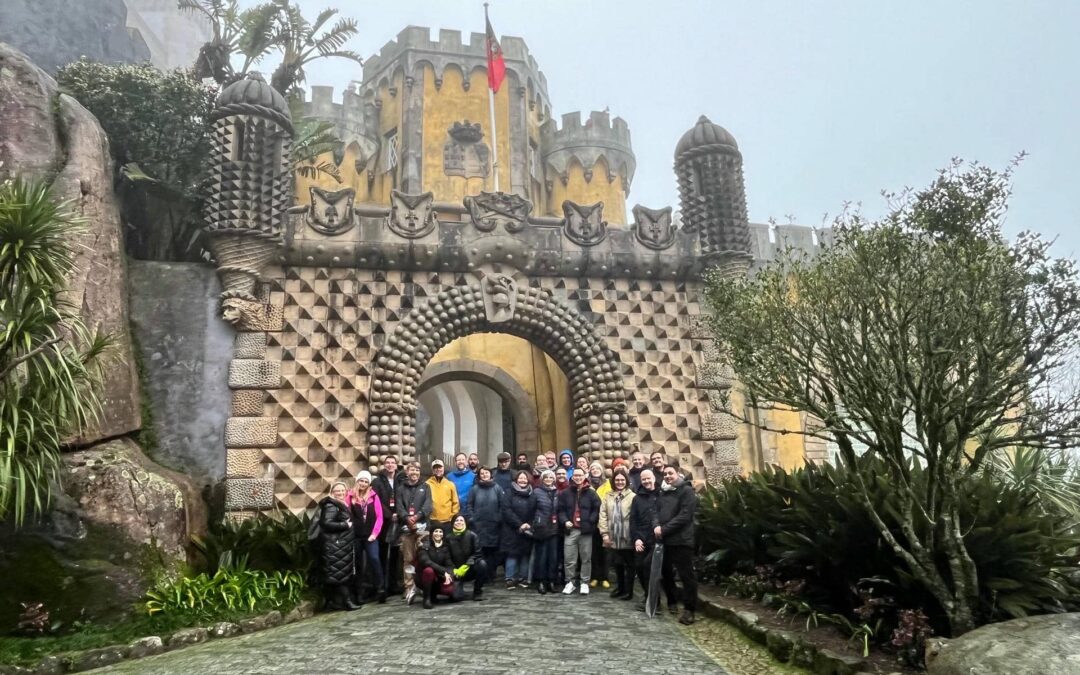
برنامج القيادة الإغناطيّة
في بيت الرياضات الروحية بمدينة ليشبونا- البرتغال عقد برنامج القيادة الإغناطية (ILP) بحضور أربعة وعشرون شخصًا من ثمان أقاليم. ستة أشخاص فقط يسوعيين. حضر من إقليمنا كل من الأب/ إميل جبرائيل، الأب/ سيمون دويك وكل من السيدة جانين إسبر، والسيدة لينا إسكندر من لبنان، والأخت جوتشيا من الجزائر. في جو من الصلاة، والتفكير الشخصي، والمشاركة قضى المشاركين ستة أيام للتفكير في القيادة من منظور إغناطي، ومن منظور منهجي.
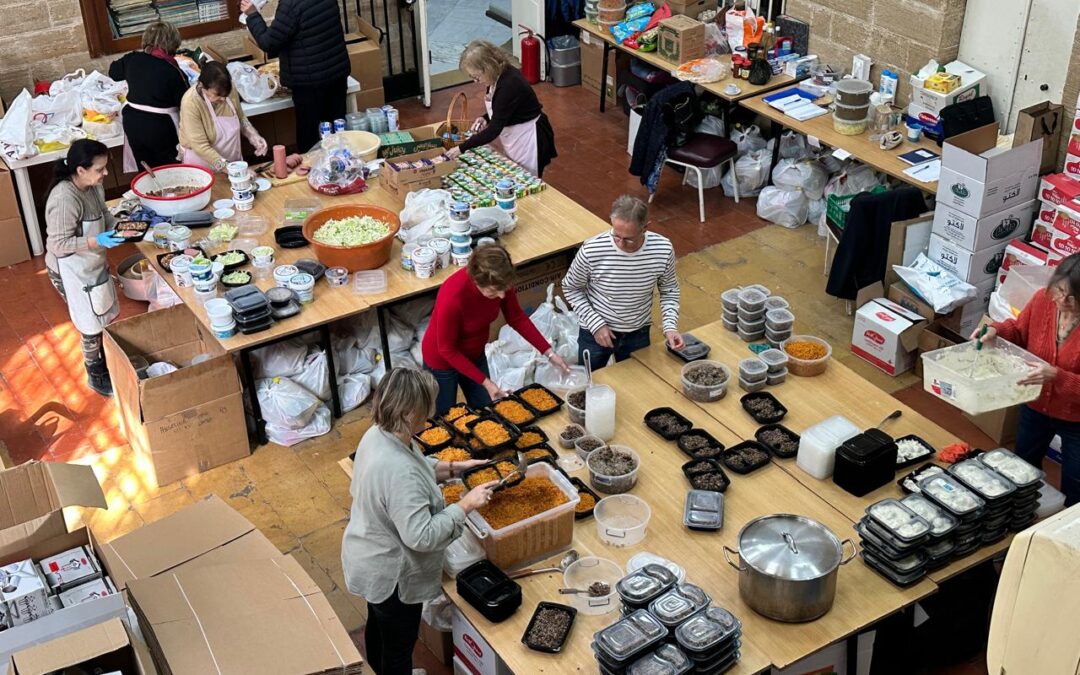
Solidarité en temps de guerre : l’action du CJC au Liban
La guerre nous a tous pris par surprise malgré le déploiement des navires américains dans le Golfe persique. La majorité des libanais ont cru que le Liban sera épargné mais cela n’a été qu’une illusion. Le Liban est entré à son tour en guerre et de nombreuses régions libanaises ne cessent de subir les bombardements israéliens causant le déplacement d’un million de personne environ. De plus, la flambée des prix du pétrole causée par la guerre irano-américaine, a eu des impacts négatifs sur une économie libanaise déjà à l’agonie. Les prix ne cessent d’augmenter aggravant la crise humanitaire et sécuritaire du pays.
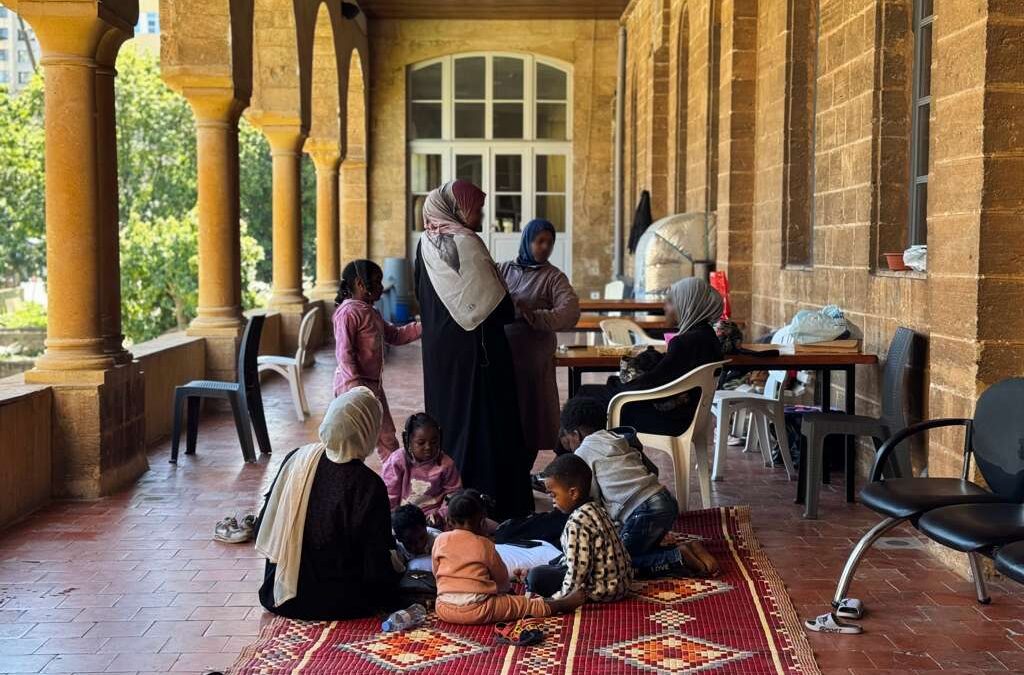
Reflection from the Shelter – Michael Petro
The first people to arrive came from Dahiyyeh and from the closer parts of the South – Bangladeshi and Sudanese individuals and families, fleeing from bombing that had begun over the night. Many of them had stayed with us in 2024 and remembered the hospitality of the Jesuits, the St. Joseph Church and the Arrupe Migrant Center, and the care of the Jesuit Refugee Service over that time.