
الخبرة الرسوليّة للدارس رامي منير
القلمُ الذي بدأ يكتب شعر أنّه يقترب من غايته، لكنّه مع الوقت احتاج أن يُبرى؛ لأنّ البراية، رغم ألمها، هي التي تعيد إلى القلم قوامه وحدّته، فيعود قادرًا أن يخطّ كلماتٍ جديدة بحياةٍ جديدة.
هكذا أصف هذه السنة.
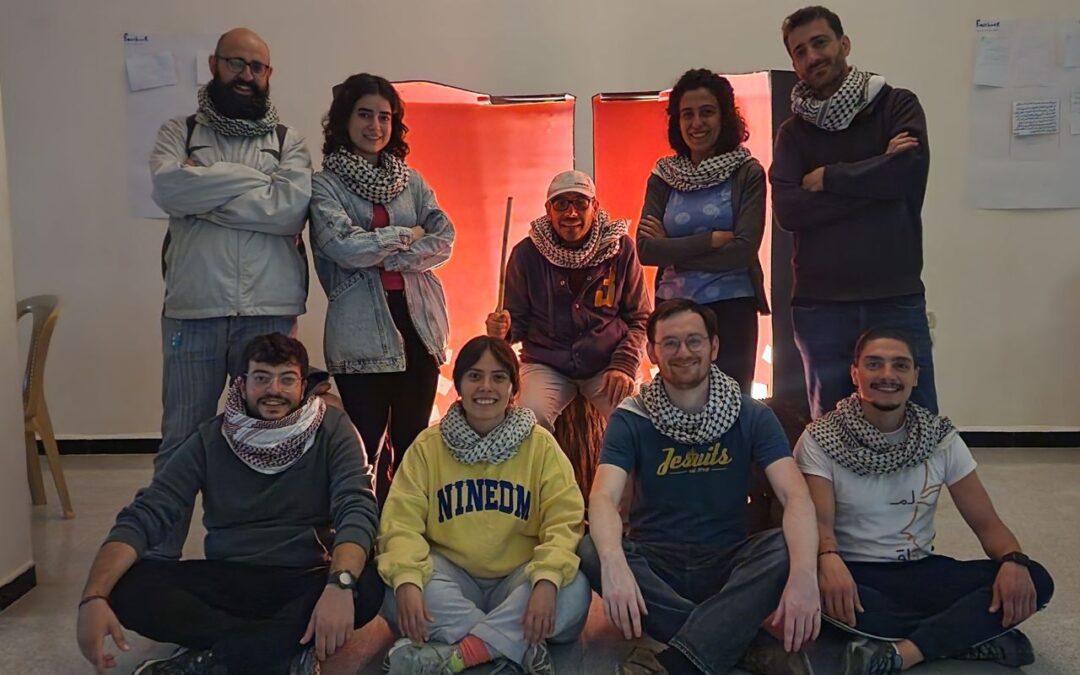
تدريبي الرسولي في بيت ألبيرتو – جرمانا – دانيال عطالله
بعض الهدايا البسيطة تتحوّل انكشافًا وتوضيحًا لمسيرة نموّنا في الحياة. هذا ما أرغب أن أشارككم إيّاه ضمن خبرة تدريبي الرسولي في بيت ألبيرتو اليسوعيّ في جرمانا، خبرةً حجزت موقعها في تاريخي.
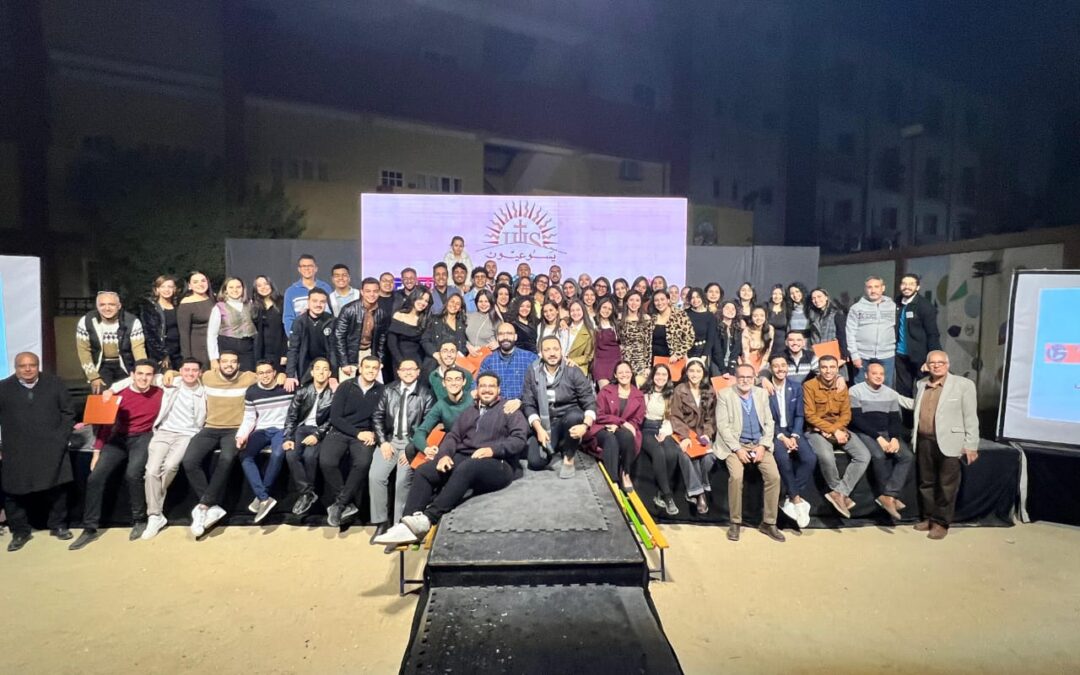
خبرتي الروحيّة في التدريس الرسوليّ في المنيا – رودي خليل
“ستعيش خبرة سنتي التدريب الرسولي في المنيا…” تفاجأتُ، قَلِقْتُ، وتوترتُ. ليس من المنيا بحد ذاتها، لكن بعد محاولة تمييزي للمدينة والناس والجماعة التي يدعوني إليها الله، لم تتطابق واختيار الرؤساء. يومان من القلق، ثم تقبّلتُ الفكرة. وضّبتُ الحقائب بأقلّ ما يمكن، ووصلتُ في أوّل العام الدراسي لسنة ٢٠٢٤-٢٠٢٥.

I will speak about what the recent war between Hezbollah and Israel stirred within me. Like many Lebanese—perhaps all—I felt a deep and overwhelming uncertainty about what this war would mean for our country. This uncertainty was already deeply rooted, given the more than two-year-long presidential vacuum and the gradual disintegration of state institutions.
At first, the confrontation seemed like a war of attrition, confined to border areas. It gave the illusion that the situation was under control. But the growing connection between the Lebanese and Gaza fronts kept the fear of escalation alive, an ever-present shadow looming over us.
What if the horrors of 2006 repeated themselves? If Israel once again bombed the country’s infrastructure—the roads, the bridges, the essential institutions—would Lebanon, already on its knees, finally collapse? And if it did, what would come next? These questions weighed heavily on my mind, their gravity increasing as events unfolded.
Then came September 17 and 18, 2024. The explosions of Hezbollah’s pagers and walkie-talkies in Lebanon and Syria left 42 dead and 4,000 wounded, including many Hezbollah fighters. In my view, this wasn’t simply one more tragic event in an ongoing pattern of violence. Instead, it seemed to signal that Hezbollah was heading toward defeat.
But another fear took shape in my mind. Would Hezbollah’s weapons turn inward if Israel’s military superiority forced a ceasefire? Would we relive, on a much larger scale, a scenario similar to May 7, 2008, when Hezbollah clashed with Sunni and Druze factions in a brief but violent internal conflict? The political rhetoric in Lebanon was already escalating, with many Christian and Sunni leaders openly opposing Hezbollah’s involvement in the war with Israel. In such a fragile context, political tensions can so easily ignite into armed conflict. Many confessional groups are heavily armed, while the Lebanese Army and Internal Security Forces are in no position to prevent an escalation.
Should we brace ourselves for civil war?
This fear subsided somewhat after the assassination of Hezbollah’s Secretary-General, Hassan Nasrallah, in an Israeli strike ten days after the pager explosions. The Israeli army was systematically eliminating Hezbollah’s leadership. Like many observers, I saw this as an unprecedented turning point—one that would force Hezbollah into a prolonged phase of reorganization and military rebuilding. The collapse of its key ally, the Assad regime in Syria, and Iran’s severe economic struggles only deepened Hezbollah’s vulnerabilities.
Amid these upheavals, I found myself in a state of cautious waiting. This feeling was reinforced by the election of a new President of the Republic and the formation of a new government. I wanted to believe that this marked the beginning of a fragile but possible return to normalcy. I am not a pessimist, but I remain on guard.
The revival of state institutions did not come naturally—it happened under intense foreign pressure, mainly from the United States and Saudi Arabia. I have seen this pattern repeat itself since 1975: external interventions determining the course of our government, fueling frustration among factions left on the losing side, who wait for the right moment to overturn the balance once again. Another reason for caution is the confessional power-sharing system, which keeps Lebanon trapped in a cycle of fragile alliances and sectarian tensions.
As long as external pressure continues, we may see some level of political stability and partial administrative and judicial reforms—but never a truly comprehensive one. To be realistic, I must remain cautious. Lebanon will always be fragile if it does not embrace a national vision that rises above sectarian divides and leads toward true citizenship and democracy.
Sadly, I see no signs of this vision emerging among our leaders. The new president and prime minister, despite their integrity and their willingness to combat corruption and promote competence, remain attached to the traditional view of Lebanon—a country defined by coexistence between religious groups. In my view, this approach will never allow for a true transition to democracy, where citizens are born as free individuals rather than as members of sectarian communities. It will only leave Lebanon vulnerable, perpetually at the mercy of regional and internal upheavals.
What I am doing, and will continue to do, is spreading democratic culture and highlighting the limits of the National Pact and its harmful consequences—especially since our political and spiritual leaders consider this pact to be the foundation of Lebanon.
Fr. Salah Aboujaoudé, S.J.
أخبار ذات صلة
الخبرة الرسوليّة للدارس رامي منير
القلمُ الذي بدأ يكتب شعر أنّه يقترب من غايته، لكنّه مع الوقت احتاج أن يُبرى؛ لأنّ البراية، رغم ألمها، هي التي تعيد إلى القلم قوامه وحدّته، فيعود قادرًا أن يخطّ كلماتٍ جديدة بحياةٍ جديدة.
هكذا أصف هذه السنة.
تدريبي الرسولي في بيت ألبيرتو – جرمانا – دانيال عطالله
بعض الهدايا البسيطة تتحوّل انكشافًا وتوضيحًا لمسيرة نموّنا في الحياة. هذا ما أرغب أن أشارككم إيّاه ضمن خبرة تدريبي الرسولي في بيت ألبيرتو اليسوعيّ في جرمانا، خبرةً حجزت موقعها في تاريخي.
خبرتي الروحيّة في التدريس الرسوليّ في المنيا – رودي خليل
“ستعيش خبرة سنتي التدريب الرسولي في المنيا…” تفاجأتُ، قَلِقْتُ، وتوترتُ. ليس من المنيا بحد ذاتها، لكن بعد محاولة تمييزي للمدينة والناس والجماعة التي يدعوني إليها الله، لم تتطابق واختيار الرؤساء. يومان من القلق، ثم تقبّلتُ الفكرة. وضّبتُ الحقائب بأقلّ ما يمكن، ووصلتُ في أوّل العام الدراسي لسنة ٢٠٢٤-٢٠٢٥.
Mot du Père Provincial : Entre Souffrance et Espérance
Nous entrons aujourd’hui dans la Semaine Sainte. Ayant célébré l’entrée triomphale de Jésus à Jérusalem, nous avons lu sa Passion selon Saint Matthieu. La joie et la fête sont derrière nous et nous entrons dans le mystère de Jésus qui se donne entièrement pour nous sauver. En attendant la Résurrection, c’est ce don de soi total — et la souffrance qui en découle — qui retient toute notre attention.
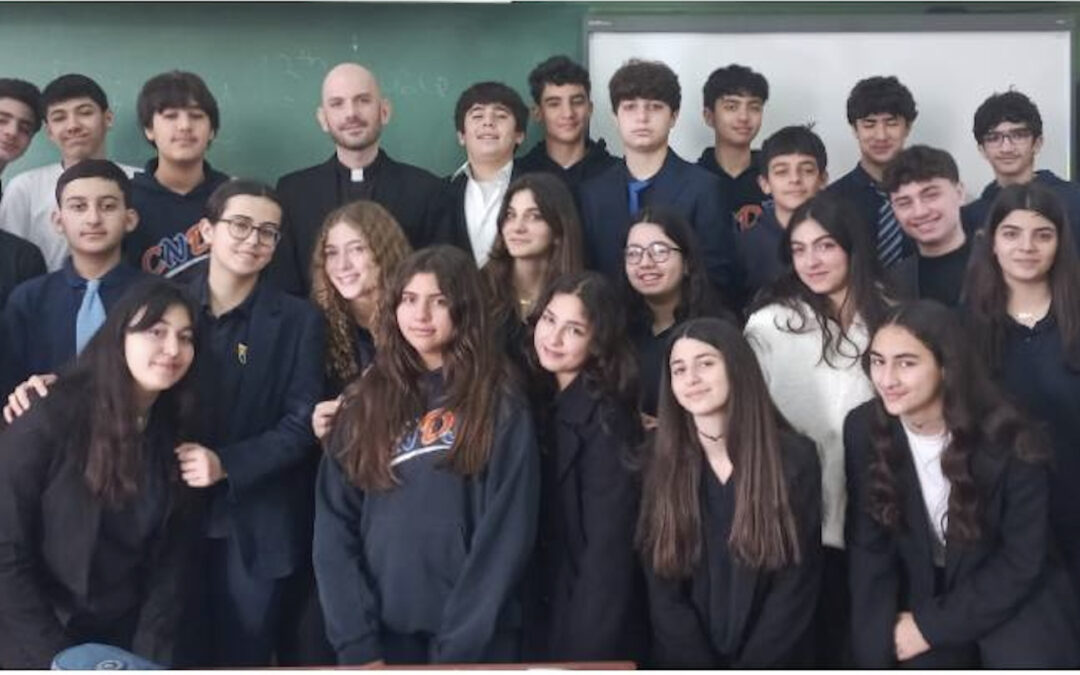
A Conversation with Br. Andrew Milewski SJ
This year at Collège Notre-Dame de Jamhour, Brother Andrew Milewski, SJ is serving on a one-year mission with the Jesuits in Lebanon and the Near East Province. He is a Jesuit in formation and is preparing for ordination in the Melkite Greek Catholic Church.
الخبرة الكبيرة – المبتدئ روجيه مجدي
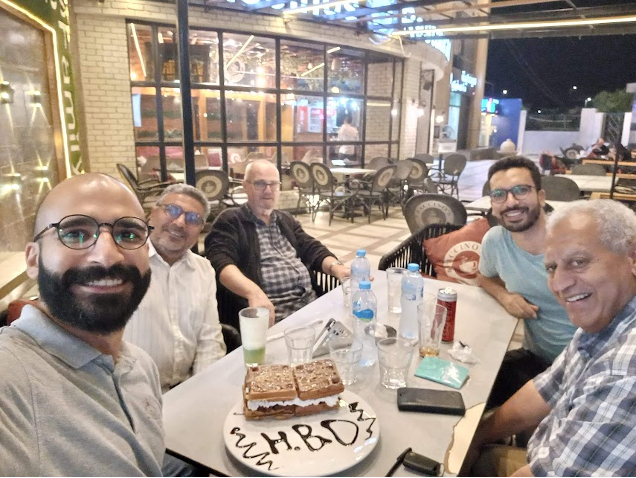
كل راهب يسوعي فور انضمامه للرهبنة يكون في مرحلة الابتداء. ومن مراحل التكوين أن في عامه الثاني للابتداء يذهب في خبرة طويلة. وعليه فقد كان محدد لي أن أرسل إلى مدينة المنيا لقضاء وقت خبرتي هناك حيث يوجد مُجمع به دير اليسوعيين، ملحق بمدرسة الآباء اليسوعيين، وجمعية “الجزويت والفرير” التنموية، ومبنى لتكوين الشباب. وعلى مسافة 20 دقيقة سيرًا على الأقدام، جنوبًا من/قبلي المدرسة يوجد مبنى الفرير بمنطقة جاد السيد الذي فيه تتم أنشطة تعليمية وتربوية لأهل المنطقة. ويُدعى الفرير نسبة لأول من أسسه الفرير شمعون اليسوعي لبناني الأصل.
