
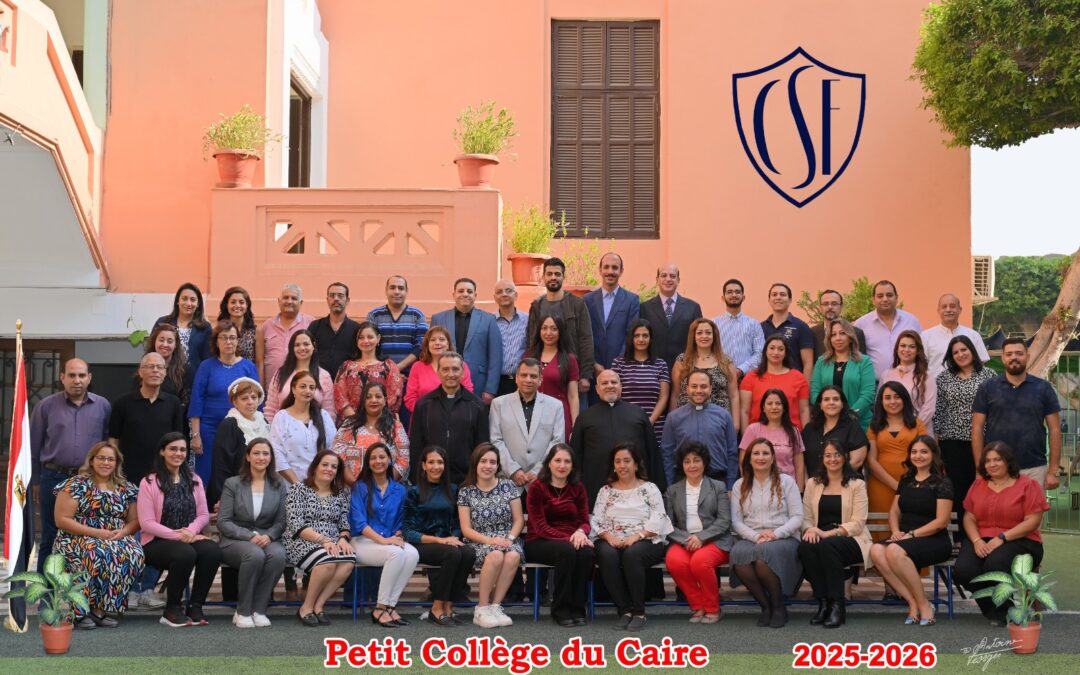
الخبرة الرسوليّة للدارس رامي منير
القلمُ الذي بدأ يكتب شعر أنّه يقترب من غايته، لكنّه مع الوقت احتاج أن يُبرى؛ لأنّ البراية، رغم ألمها، هي التي تعيد إلى القلم قوامه وحدّته، فيعود قادرًا أن يخطّ كلماتٍ جديدة بحياةٍ جديدة.
هكذا أصف هذه السنة.
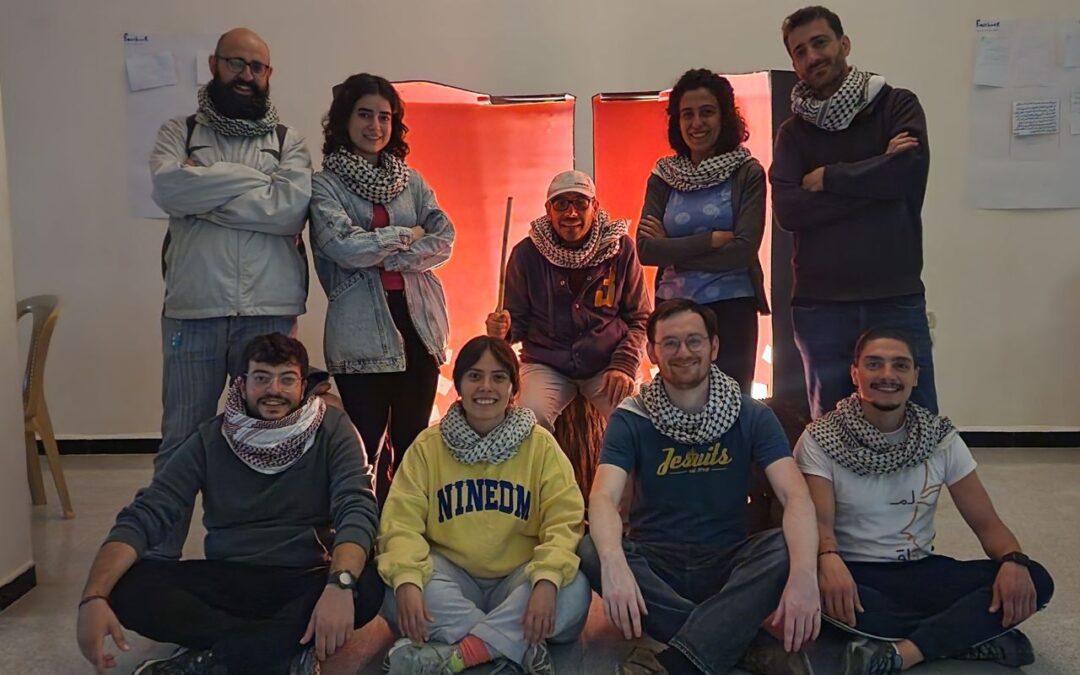
تدريبي الرسولي في بيت ألبيرتو – جرمانا – دانيال عطالله
بعض الهدايا البسيطة تتحوّل انكشافًا وتوضيحًا لمسيرة نموّنا في الحياة. هذا ما أرغب أن أشارككم إيّاه ضمن خبرة تدريبي الرسولي في بيت ألبيرتو اليسوعيّ في جرمانا، خبرةً حجزت موقعها في تاريخي.
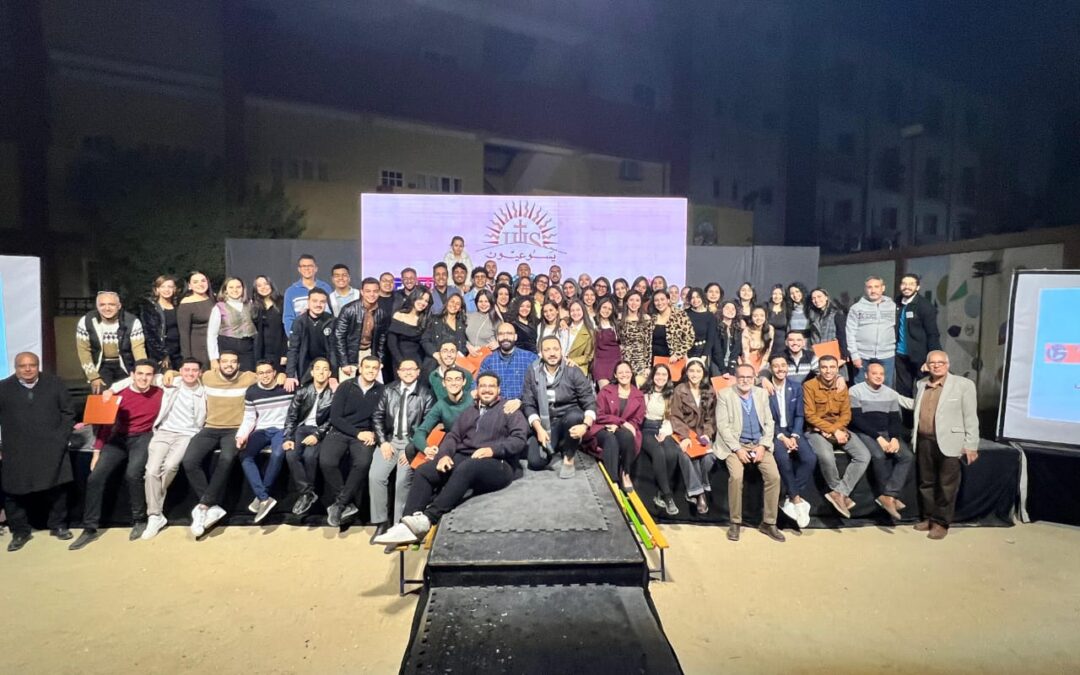
خبرتي الروحيّة في التدريس الرسوليّ في المنيا – رودي خليل
“ستعيش خبرة سنتي التدريب الرسولي في المنيا…” تفاجأتُ، قَلِقْتُ، وتوترتُ. ليس من المنيا بحد ذاتها، لكن بعد محاولة تمييزي للمدينة والناس والجماعة التي يدعوني إليها الله، لم تتطابق واختيار الرؤساء. يومان من القلق، ثم تقبّلتُ الفكرة. وضّبتُ الحقائب بأقلّ ما يمكن، ووصلتُ في أوّل العام الدراسي لسنة ٢٠٢٤-٢٠٢٥.

On the first day when the war escalated here in Beirut, a mother from our parish called me. “Brother, if it gets bad can we come stay in the church?” She her children were living in Dahiyye, a neighborhood that was likely to face heavy bombing if the war picked up.
“Of course,” I said.
“Thank you. We’re here now”
I looked out the window, and this Ethiopian migrant mother was emerging from a taxi cab with her five children, getting ready to stay in our church.
A bit worried about permissions, I mentioned this to another Jesuit in my community. He shrugged and calmed me down:
“L’Église est faite pour ça.”
The church is made for this.
The next morning, we expected that our team from the parish and from JRS would be able to help the family find a place in one of the rapidly opening government shelters, or in one of the overnight migrant shelters for women and families around Beirut. When I arrived at the church, I found a very different reality. Sixty people, Sudanese refugees and Ethiopian families, had arrived. Many had been on the road for days, walking overnight and sleeping under bridges, on their way escaping bombing in the cities where they lived in the south. Many had been abandoned by their employers—told to stay behind as their sponsors left for safety. No government shelter would take them.
They came to our church because they had heard they could trust us. It has been nearly forty years since our church in Beirut first began welcoming migrants. The work of Fr. Martin McDermott, SJ, who has been building and accompanying migrant communities for decades here in Beirut, and the late Fr. Theo Vlugt, SJ, who welcomed Filipina prayer groups, began to make a home for migrants in our church. Over the years, one by one, other communities joined us. Now our parish and its Arrupe Migrant Center are known as a place for migrants, who come to mass, play cricket, share meals, and even meet in a Buddhist temple! Every Sunday mass starts with the words, “Welcome Home.”
Sudanese community leaders heard those words and believed them. And now, their displaced community members were at our door. We found a hundred mattresses (thank God!) in the Jesuit residence, and we set up a shelter. The next day another hundred people came, and the next, and the next. Within a few weeks we had opened another shelter in the Tertianship in Bikfaya, and JRS began managing the response.
Over four months we welcomed about 250 people across both shelters and served as an access and gathering point for countless more.
“The church is built for this.”
—
For me as a regent, this was a very hard experience. The fear of the war—the first I have ever lived through. The deaths of migrants we could not help, including some who perished for lack of shelter. Months of sleepless nights trying to keep harmony among those living in our spaces. Myriad medical emergencies! The closest bombs fell just 200 meters from our church. With a shelter full of children, this was very frightening.
Praying with these experiences, it is clear to me that they have left me wanting nothing more than to be a Jesuit and a good priest. Why?
When I was discerning Jesuit life, one of the things that ultimately pushed me to enter the Society was a particular image of Jesuit life that came from the discernment of the first companions at Venice.
I remember reading GC 36, the most recent General Congregation, Decree One, which describes this discernment. Ignatius and his friends trying to decide, their plans thwarted and their lives halted, what the Lord was calling them to do:
“Where was the Spirit drawing them? As they discerned new direction for their lives, they held fast to what they had already found to be life-giving: sharing their lives together as friends in the Lord; living very close to the lives of the poor; and preaching the Gospel with joy.”
This was the vision of Jesuit life that drew me in. I kept a copy of the decree on my bedside as my heart grew clearer and clearer that I was hoping to enter. This is what I was hoping for.
Living together as friends in the Lord.
Closeness to the poor.
Preaching the Gospel with Joy.
——
Friends in the Lord
On those first nights, before I could get the JRS team hired, I turned to my Jesuit brothers first. My community-mates came to volunteer in the shelter right away. Julian Zakka, SJ—in Philosophy here at USJ, and Michael Ghobriel, SJ—in regency at Jamhour both dropped everything to move to Bikfaya. They went there, where I could not go, to solve all the problems that I didn’t know how to solve, to be present where I could not be. They dealt with everything! Medical emergencies, midnight fights, and even a few worries about ghosts! The first weeks in Bikfaya were chaos. But I knew I could trust them.
Quickly, Julian and I started faith sharing—sharing our experiences of difficulty and grace as we struggled to keep the shelters running. It is amazing to me that, even as he moved out of my community, father away, we grew closer. Our friendship deepened in our sharing of the mission, even as we were farther away. We were becoming friends in the Lord.
—
Closeness to the Poor
Even before the other Jesuits showed up, the first people who responded were migrants—other migrants, not themselves displaced by the war, who came to the church to cook, clean, and care for those arriving in our shelter. Several joined us on the staff and spent four months living in the church, caring for all those in the shelter. For a month or two, I also was living in the shelter.
Closeness to the poor meant not only sharing their lodging, their food, their worries about the shelter, but also seeing and benefitting from the greatest generosity that I have ever seen.
In the first days—seventeen, eighteen-hour days when I was forgetting even to eat, one of the women would come to me and put food in my hands. She wanted to make sure I was eating. Another, when she saw that I was forgetting to pray, gave me her rosary. It was for her a treasure, a gift from Lourdes, but she made me hold on to it, to make sure that I was praying. She still will not let me give it back!
These women are migrant workers. They themselves have been poor and poorly treated. Yet they were caring for all those who came to them, and for me. I am so grateful for their care. I have never seen kindness like this before.
—
Preaching the Gospel with Joy
Among those staying with us in the shelter, were several new mothers and moms to be. Two had just given birth—fleeing their homes with day-old babies in their arms, walking for days without a chance to recover from the wounds of birth. It was very hard.
But this also meant that we got to welcome several new babies and to celebrate some wonderful birthday parties.
One evening, I came into the shelter and found a huge party. The children were singing songs, food was everywhere, and the women had decorated each other beautifully with henna. They were celebrating forty days since the birth of one of our newest residents.
The new father was poor, a day laborer during his displacement. I have no idea how he did this, but he was able to get a roast lamb, and to serve it to the whole shelter. Living in a war shelter, he had saved up what he had for the whole first month of his baby’s life. Now, he shared his joy, his brand-new daughter, with us all!
There were drones overhead, as usual, and bombs in the distance. But we had a wonderful party in the shelter. He made the shelter a place of hospitality for us all.
Since the end of the war, we have had a some of those who stayed with us come, unexpectedly, to ask us for Baptism, to learn about Jesus, hoping to enter our faith. They told me that when they came to the shelter, they thought Christianity was about long beards, dour monks, penance and harsh rules. Here, amid birthday parties and rejoicing parents, they learned that it is something else.
The joy of this hospitality was a true preaching of the Gospel.
—
Sharing our lives together as friends in the Lord, living very close to the lives of the poor, and preaching the Gospel with joy.
In a time of great darkness and great fear, the freedom to live this way was a great grace. I hope and pray for the grace to live it for my whole life.
By Michael Petro, SJ
أخبار ذات صلة
الخبرة الرسوليّة للدارس رامي منير
القلمُ الذي بدأ يكتب شعر أنّه يقترب من غايته، لكنّه مع الوقت احتاج أن يُبرى؛ لأنّ البراية، رغم ألمها، هي التي تعيد إلى القلم قوامه وحدّته، فيعود قادرًا أن يخطّ كلماتٍ جديدة بحياةٍ جديدة.
هكذا أصف هذه السنة.
تدريبي الرسولي في بيت ألبيرتو – جرمانا – دانيال عطالله
بعض الهدايا البسيطة تتحوّل انكشافًا وتوضيحًا لمسيرة نموّنا في الحياة. هذا ما أرغب أن أشارككم إيّاه ضمن خبرة تدريبي الرسولي في بيت ألبيرتو اليسوعيّ في جرمانا، خبرةً حجزت موقعها في تاريخي.
خبرتي الروحيّة في التدريس الرسوليّ في المنيا – رودي خليل
“ستعيش خبرة سنتي التدريب الرسولي في المنيا…” تفاجأتُ، قَلِقْتُ، وتوترتُ. ليس من المنيا بحد ذاتها، لكن بعد محاولة تمييزي للمدينة والناس والجماعة التي يدعوني إليها الله، لم تتطابق واختيار الرؤساء. يومان من القلق، ثم تقبّلتُ الفكرة. وضّبتُ الحقائب بأقلّ ما يمكن، ووصلتُ في أوّل العام الدراسي لسنة ٢٠٢٤-٢٠٢٥.
Mot du Père Provincial : Entre Souffrance et Espérance
Nous entrons aujourd’hui dans la Semaine Sainte. Ayant célébré l’entrée triomphale de Jésus à Jérusalem, nous avons lu sa Passion selon Saint Matthieu. La joie et la fête sont derrière nous et nous entrons dans le mystère de Jésus qui se donne entièrement pour nous sauver. En attendant la Résurrection, c’est ce don de soi total — et la souffrance qui en découle — qui retient toute notre attention.
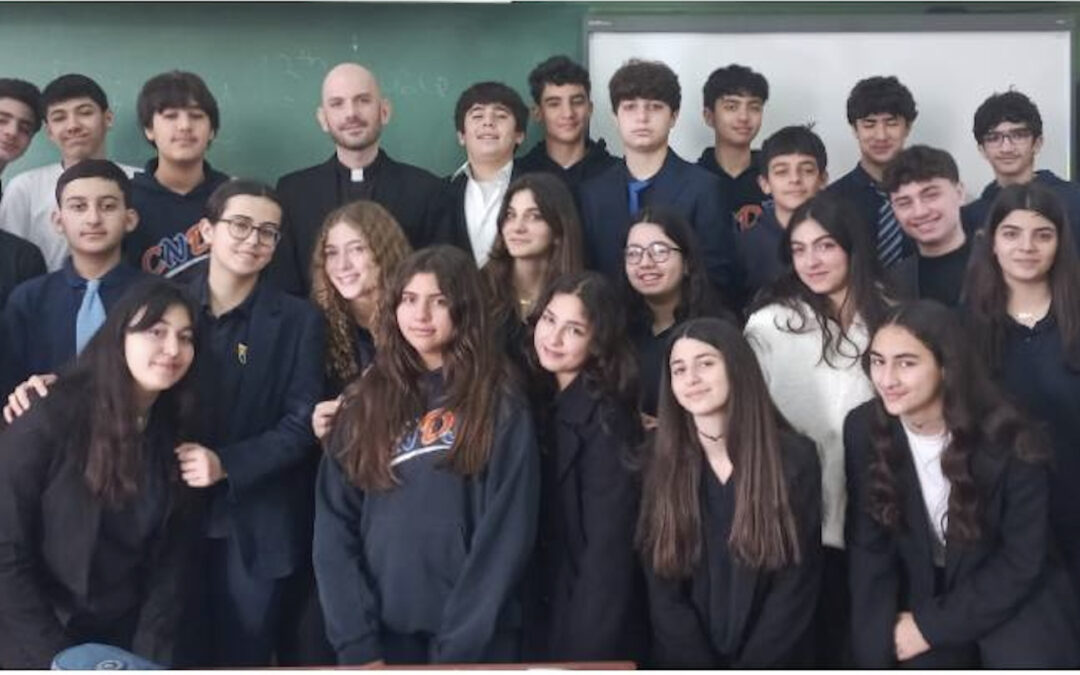
A Conversation with Br. Andrew Milewski SJ
This year at Collège Notre-Dame de Jamhour, Brother Andrew Milewski, SJ is serving on a one-year mission with the Jesuits in Lebanon and the Near East Province. He is a Jesuit in formation and is preparing for ordination in the Melkite Greek Catholic Church.
الخبرة الكبيرة – المبتدئ روجيه مجدي
كل راهب يسوعي فور انضمامه للرهبنة يكون في مرحلة الابتداء. ومن مراحل التكوين أن في عامه الثاني للابتداء يذهب في خبرة طويلة. وعليه فقد كان محدد لي أن أرسل إلى مدينة المنيا لقضاء وقت خبرتي هناك حيث يوجد مُجمع به دير اليسوعيين، ملحق بمدرسة الآباء اليسوعيين، وجمعية “الجزويت والفرير” التنموية، ومبنى لتكوين الشباب. وعلى مسافة 20 دقيقة سيرًا على الأقدام، جنوبًا من/قبلي المدرسة يوجد مبنى الفرير بمنطقة جاد السيد الذي فيه تتم أنشطة تعليمية وتربوية لأهل المنطقة. ويُدعى الفرير نسبة لأول من أسسه الفرير شمعون اليسوعي لبناني الأصل.