
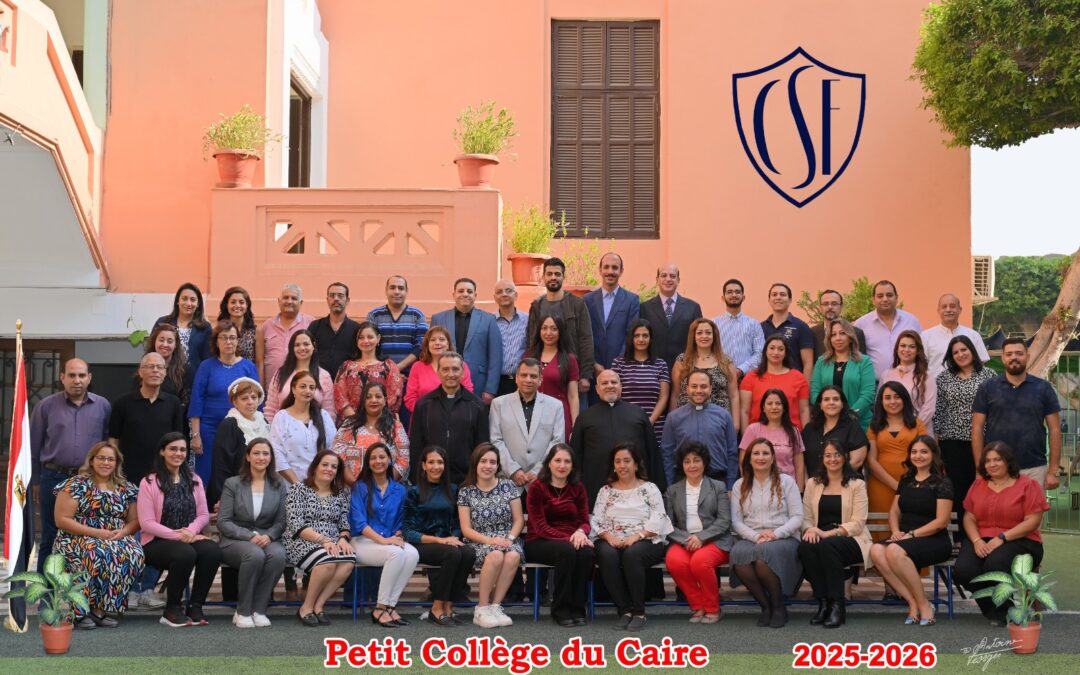
الخبرة الرسوليّة للدارس رامي منير
القلمُ الذي بدأ يكتب شعر أنّه يقترب من غايته، لكنّه مع الوقت احتاج أن يُبرى؛ لأنّ البراية، رغم ألمها، هي التي تعيد إلى القلم قوامه وحدّته، فيعود قادرًا أن يخطّ كلماتٍ جديدة بحياةٍ جديدة.
هكذا أصف هذه السنة.
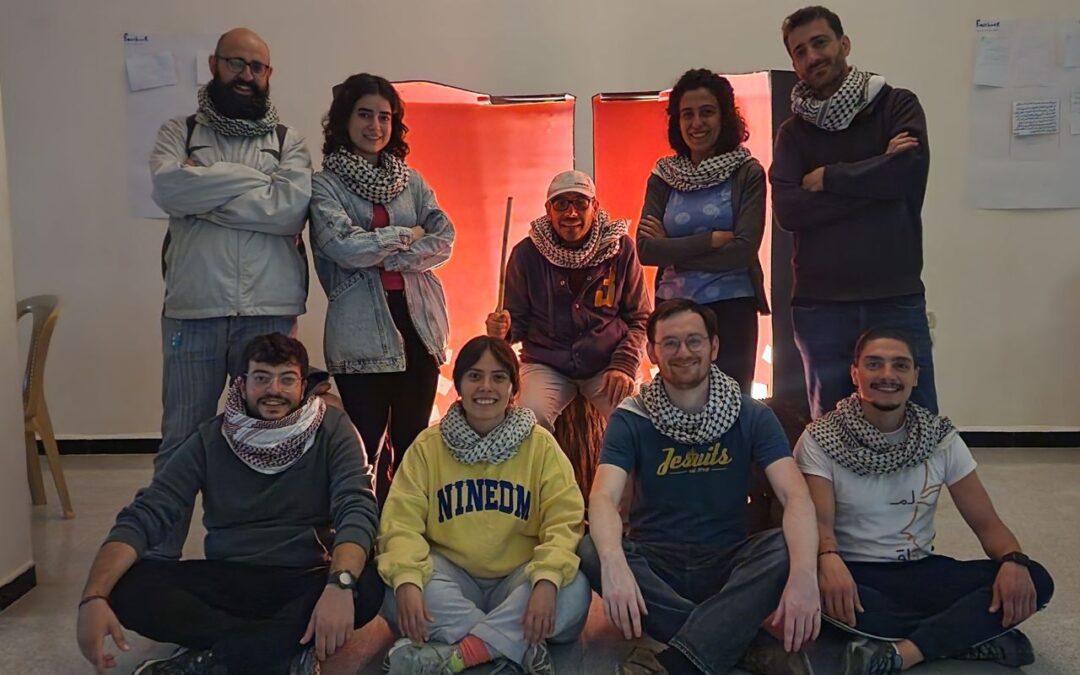
تدريبي الرسولي في بيت ألبيرتو – جرمانا – دانيال عطالله
بعض الهدايا البسيطة تتحوّل انكشافًا وتوضيحًا لمسيرة نموّنا في الحياة. هذا ما أرغب أن أشارككم إيّاه ضمن خبرة تدريبي الرسولي في بيت ألبيرتو اليسوعيّ في جرمانا، خبرةً حجزت موقعها في تاريخي.
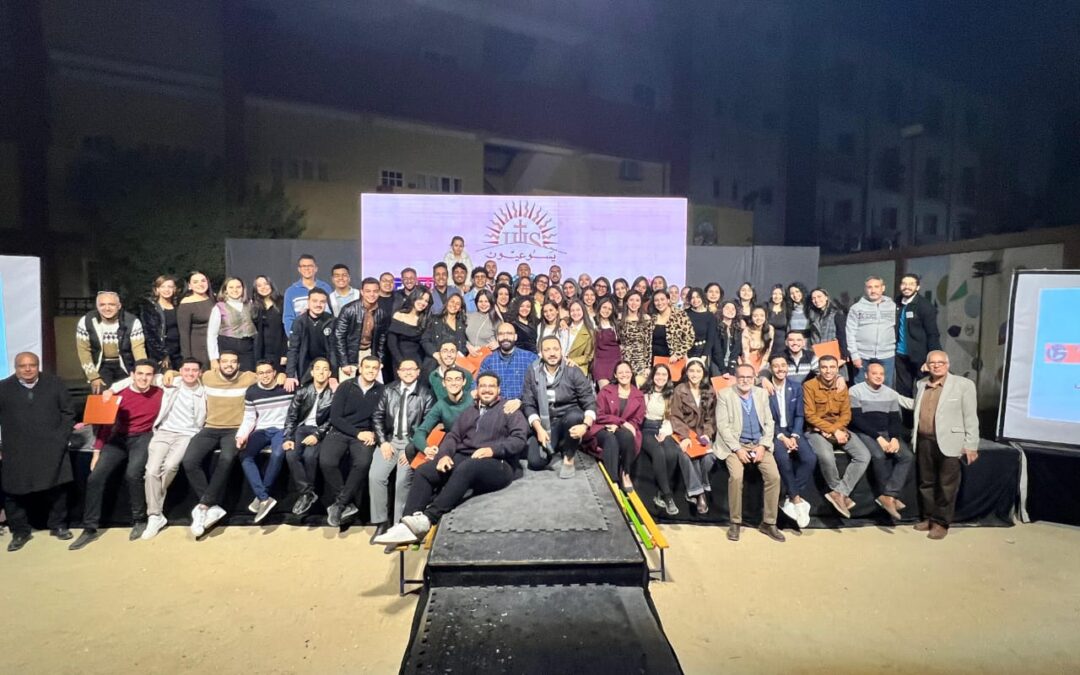
خبرتي الروحيّة في التدريس الرسوليّ في المنيا – رودي خليل
“ستعيش خبرة سنتي التدريب الرسولي في المنيا…” تفاجأتُ، قَلِقْتُ، وتوترتُ. ليس من المنيا بحد ذاتها، لكن بعد محاولة تمييزي للمدينة والناس والجماعة التي يدعوني إليها الله، لم تتطابق واختيار الرؤساء. يومان من القلق، ثم تقبّلتُ الفكرة. وضّبتُ الحقائب بأقلّ ما يمكن، ووصلتُ في أوّل العام الدراسي لسنة ٢٠٢٤-٢٠٢٥.

The blast in the port of Beirut was not just one of many that I have experienced, sometimes very closely, as a war child. Beirut blast on 4 august 2020 was an earthquake, an upheaval, an apocalypse.
Firstly because of its scale: I thought explosions like that only existed in American movies; well, they can exist in real life too! But also, because, in the blink of an eye, it mowed down hundreds of people, some of whom I know, some of whom I’d seen a few days ago, and it could also have taken the lives of many others who happened to be passing by…
Beirut blast once again confronted me with the randomness of death and its unexpectedness: it arrives like a thief. This explosion forced me to ask myself some profound existential questions: what is the meaning of life? of death? of justice? especially as the government of the time was responsible, fully responsible, for this death that came knocking at our door. Yes, knocking on our door. It came into our homes, into our lives, into places that were supposed to be safe.
This explosion awakened a feeling of guilt, the guilt of the survivor. I had just left Beirut, so I should have been there, in my office, when the windows shattered and the false ceilings fell.
I was luckier than most, … once again …
That blast brought back all the ghosts of the war, of successive wars. All that repressed, all that buried, hidden fear that suddenly reappears and shakes you to your very core. This fear comes with all the images, smells and sounds that you think you’ve forgotten forever. But no, they come back and haunt you.
This explosion is a condensed version of the history of a tormented and wounded Lebanon, of a martyred people, a condensed version that you relive in a few seconds! it’s very violent!
From the very first hours after the explosion, the team I work with at the USJ chaplaincy was thinking: what should we do?
This is not the time to lament, even if there was reason to lament, but to act and to do.
We immediately put in place an emergency plan, which consisted of a number of things:
- The creation of a call center to contact all members of the USJ community: faculty, staff, students, alumni and retirees living in Beirut.
- Teams to clean up and clear the debris
- Teams to prepare and distribute hot meals
- Teams to visit damaged houses and flats, assess the damage and draw up a reconstruction plan.
I’ll spare you the figures, but I’ll just point out that we were able to help a lot, especially by accompanying them, supporting them, listening to them… but also by repairing houses and apartments, providing medical support…
I’d also like to point out that it was there that I realized the importance of psychological guidance and support during such times. Support not only for the people who have experienced the trauma, but also for the teams who are helping. Because, and this is what our work is all about, we too have experienced the same trauma as the people we are helping, and we too need to talk about it. We too are traumatized, and we need to take the time to rest, to clear our minds of everything we’ve seen and experienced, and to talk about it.
This is what led us, in a 3rd phase, to set up a whole program of psychological support and therapy sessions and weekends using art, theatre, music, etc., all supported by Ignatian spirituality.
And it was there once again that I realized the strength of this spirituality and the strength of the tools it gives us. It gives us the structure and the framework to help and accompany, to support and give people the means to get back on their feet.
We’re not just social workers, with all due respect to that profession, but we are people who signify a certain hope, a certain meaning.
Nevertheless, I’ll conclude with this, and this is the real challenge: how can we continue to carry this hope when we no longer believe in it, or when we sometimes have the impression that it betrays us?
How can we continue to be those men who point to that other, that elsewhere, when we are no longer able to see clearly?
Fr. Jad Chebli, S.J.
أخبار ذات صلة
الخبرة الرسوليّة للدارس رامي منير
القلمُ الذي بدأ يكتب شعر أنّه يقترب من غايته، لكنّه مع الوقت احتاج أن يُبرى؛ لأنّ البراية، رغم ألمها، هي التي تعيد إلى القلم قوامه وحدّته، فيعود قادرًا أن يخطّ كلماتٍ جديدة بحياةٍ جديدة.
هكذا أصف هذه السنة.
تدريبي الرسولي في بيت ألبيرتو – جرمانا – دانيال عطالله
بعض الهدايا البسيطة تتحوّل انكشافًا وتوضيحًا لمسيرة نموّنا في الحياة. هذا ما أرغب أن أشارككم إيّاه ضمن خبرة تدريبي الرسولي في بيت ألبيرتو اليسوعيّ في جرمانا، خبرةً حجزت موقعها في تاريخي.
خبرتي الروحيّة في التدريس الرسوليّ في المنيا – رودي خليل
“ستعيش خبرة سنتي التدريب الرسولي في المنيا…” تفاجأتُ، قَلِقْتُ، وتوترتُ. ليس من المنيا بحد ذاتها، لكن بعد محاولة تمييزي للمدينة والناس والجماعة التي يدعوني إليها الله، لم تتطابق واختيار الرؤساء. يومان من القلق، ثم تقبّلتُ الفكرة. وضّبتُ الحقائب بأقلّ ما يمكن، ووصلتُ في أوّل العام الدراسي لسنة ٢٠٢٤-٢٠٢٥.
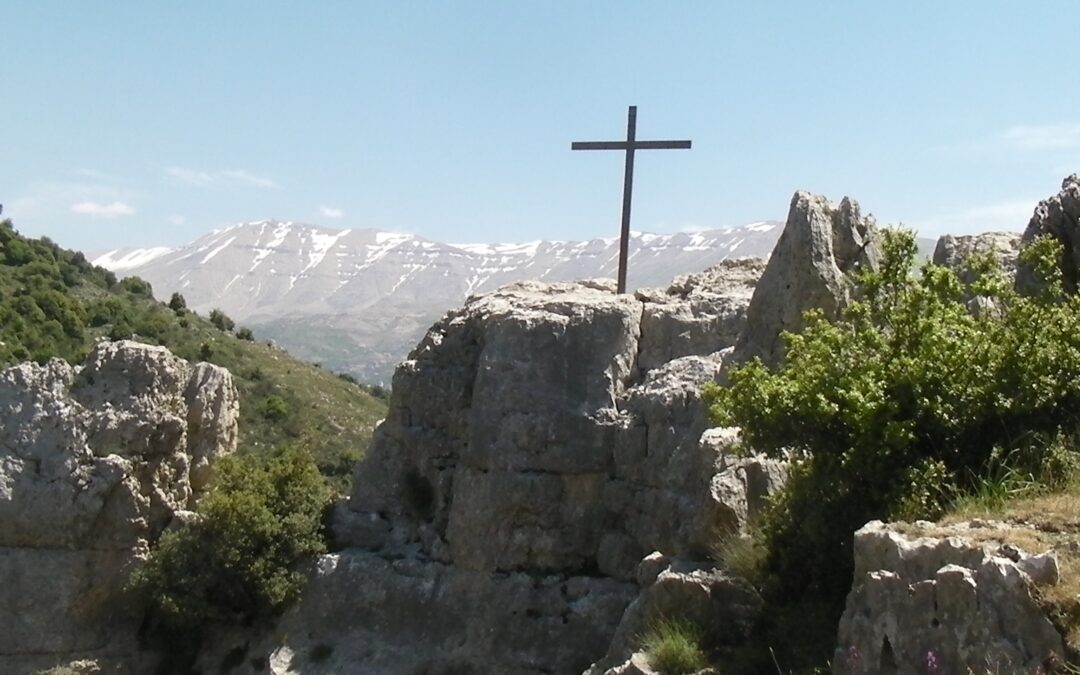
Mot du Père Provincial : Entre Souffrance et Espérance
Nous entrons aujourd’hui dans la Semaine Sainte. Ayant célébré l’entrée triomphale de Jésus à Jérusalem, nous avons lu sa Passion selon Saint Matthieu. La joie et la fête sont derrière nous et nous entrons dans le mystère de Jésus qui se donne entièrement pour nous sauver. En attendant la Résurrection, c’est ce don de soi total — et la souffrance qui en découle — qui retient toute notre attention.
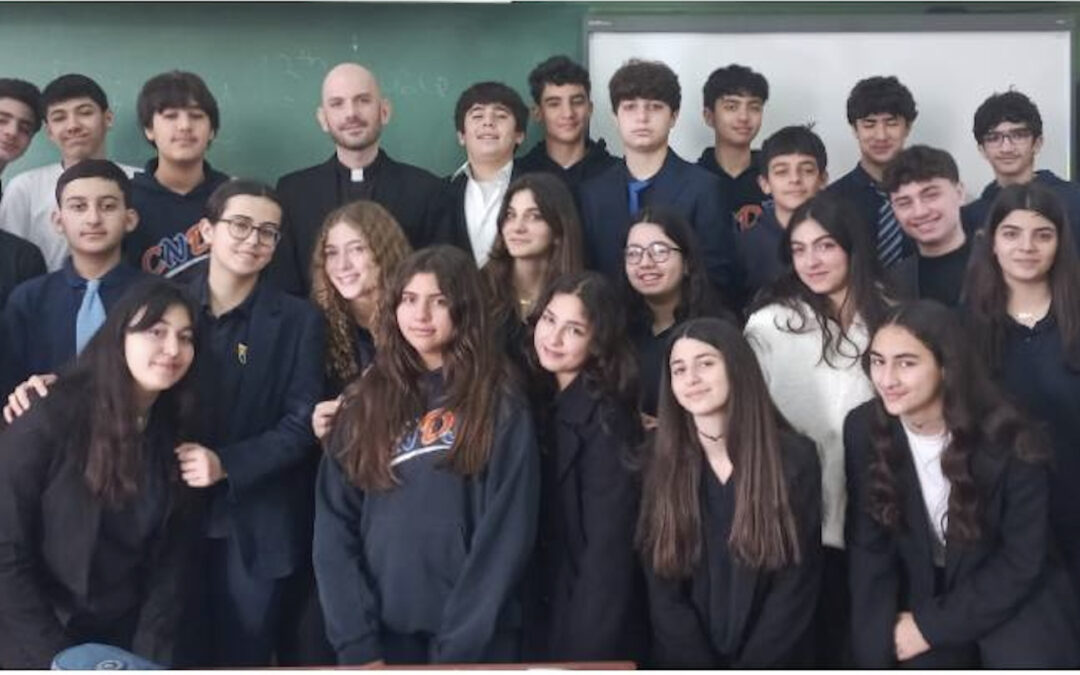
A Conversation with Br. Andrew Milewski SJ
This year at Collège Notre-Dame de Jamhour, Brother Andrew Milewski, SJ is serving on a one-year mission with the Jesuits in Lebanon and the Near East Province. He is a Jesuit in formation and is preparing for ordination in the Melkite Greek Catholic Church.
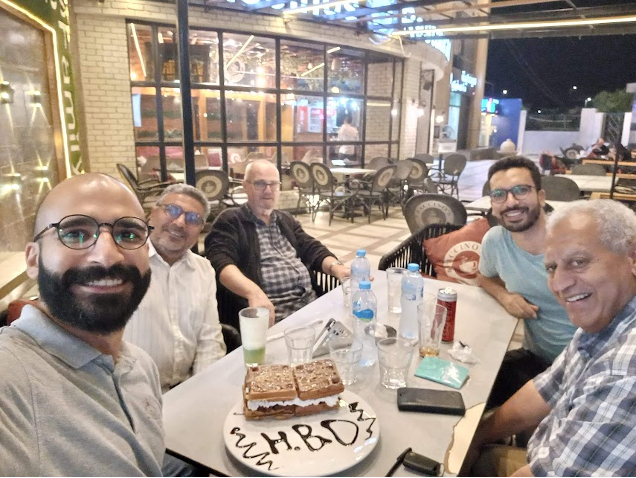
الخبرة الكبيرة – المبتدئ روجيه مجدي
كل راهب يسوعي فور انضمامه للرهبنة يكون في مرحلة الابتداء. ومن مراحل التكوين أن في عامه الثاني للابتداء يذهب في خبرة طويلة. وعليه فقد كان محدد لي أن أرسل إلى مدينة المنيا لقضاء وقت خبرتي هناك حيث يوجد مُجمع به دير اليسوعيين، ملحق بمدرسة الآباء اليسوعيين، وجمعية “الجزويت والفرير” التنموية، ومبنى لتكوين الشباب. وعلى مسافة 20 دقيقة سيرًا على الأقدام، جنوبًا من/قبلي المدرسة يوجد مبنى الفرير بمنطقة جاد السيد الذي فيه تتم أنشطة تعليمية وتربوية لأهل المنطقة. ويُدعى الفرير نسبة لأول من أسسه الفرير شمعون اليسوعي لبناني الأصل.