
أخبار ذات صلة
الخبرة الرسوليّة للدارس رامي منير
القلمُ الذي بدأ يكتب شعر أنّه يقترب من غايته، لكنّه مع الوقت احتاج أن يُبرى؛ لأنّ البراية، رغم ألمها، هي التي تعيد إلى القلم قوامه وحدّته، فيعود قادرًا أن يخطّ كلماتٍ جديدة بحياةٍ جديدة.
هكذا أصف هذه السنة.
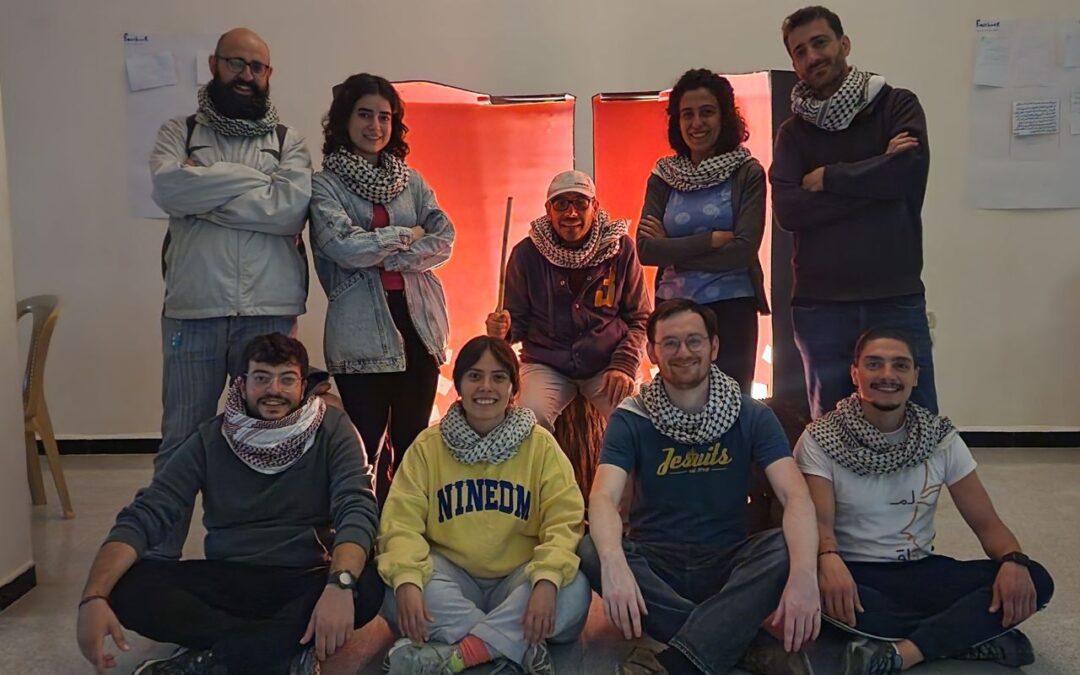
تدريبي الرسولي في بيت ألبيرتو – جرمانا – دانيال عطالله
بعض الهدايا البسيطة تتحوّل انكشافًا وتوضيحًا لمسيرة نموّنا في الحياة. هذا ما أرغب أن أشارككم إيّاه ضمن خبرة تدريبي الرسولي في بيت ألبيرتو اليسوعيّ في جرمانا، خبرةً حجزت موقعها في تاريخي.
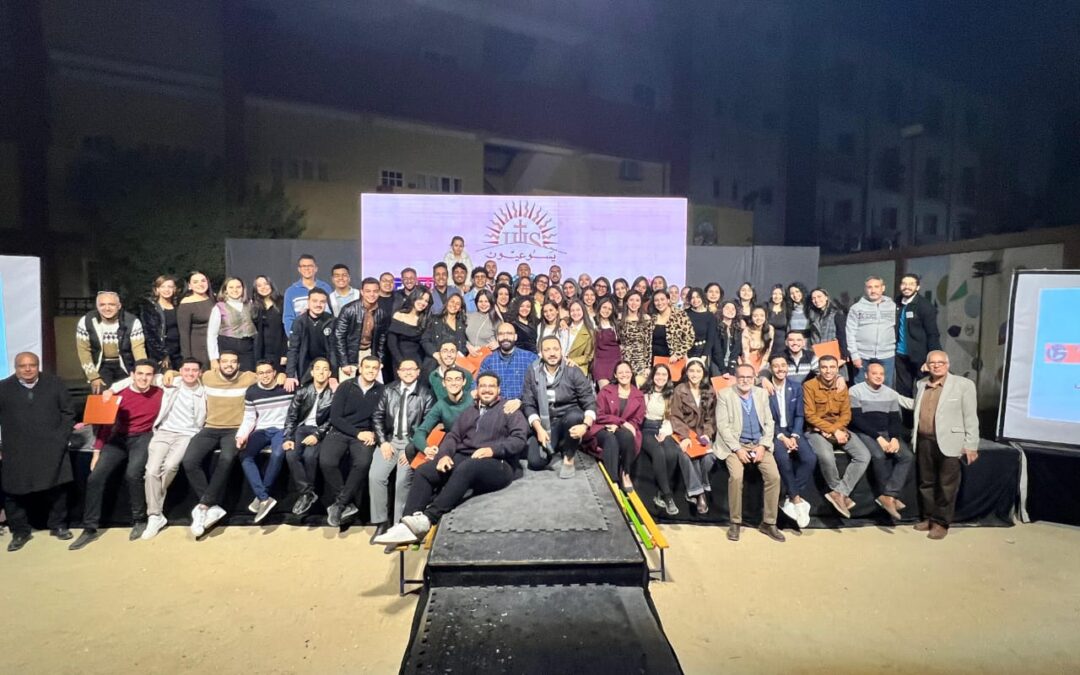
خبرتي الروحيّة في التدريس الرسوليّ في المنيا – رودي خليل
“ستعيش خبرة سنتي التدريب الرسولي في المنيا…” تفاجأتُ، قَلِقْتُ، وتوترتُ. ليس من المنيا بحد ذاتها، لكن بعد محاولة تمييزي للمدينة والناس والجماعة التي يدعوني إليها الله، لم تتطابق واختيار الرؤساء. يومان من القلق، ثم تقبّلتُ الفكرة. وضّبتُ الحقائب بأقلّ ما يمكن، ووصلتُ في أوّل العام الدراسي لسنة ٢٠٢٤-٢٠٢٥.

Rome, with its deep-rooted heritage as the cradle of the Catholic Church, might not immediately come to mind as a focal point for Eastern Christian studies. However, since its foundation in 1917 by Pope Benedict XV, the Pontifical Oriental Institute (PIO) has been a unique institution within the Catholic Church, entrusted to the Society of Jesus for over a century. It stands out for offering specializations across all traditions of Eastern Christianity, including the Byzantine (Greek, Arab, Slavonic, Georgian), Coptic, Syriac (Western and Eastern), Armenian, Ethiopian, and Arab Christian heritage.
The PIO houses students and faculty from various Eastern Churches, both Orthodox and Catholic, fostering a unique ecumenical environment. The institute comprises two faculties: the Faculty of Eastern Church Studies, which includes Theological-Patristic, Liturgical, and Historical department, and the Faculty of Eastern Canon Law. A cornerstone of the institute is its library, renowned for its extensive collection of volumes on Eastern Christianity, ranging from ancient books to recent publications, facilitating in-depth research.
The academic program at the PIO is designed to offer rigorous engagement with primary sources (manuscripts and documents) from different Eastern Christian traditions. Students have the opportunity to study classical and different Oriental languages directly linked to these traditions, such as Greek, Syriac, Arabic, Coptic, Ethiopian, Nubian, Armenian, Georgian, Sogdian, Old Church Slavonic, Russian, and Turkish. Additionally, courses in paleography and codicology of these languages are offered to prepare students for competent work with primary sources.
Another significant aspect of the PIO’s mission is to promote comparative studies among the various traditions. Such comparative work, grounded in source studies, aims to enhance understanding across diverse Christian traditions, helping to bridge historical divides and foster unity. Noteworthy is the institute’s alumni network, which includes several prominent church prelates, such as Bartholomew, Patriarch of Constantinople; Gregorios III Laham, Patriarch Emeritus of the Melkite Greek Catholic Church; Louis Raphaël I Sako, Cardinal and Patriarch of Babylon of the Chaldeans; and Mar Awa III, Patriarch-Catholicos of the Church of the East.
The contributions of individuals from our province to the PIO have been significant, including Father Peter-Hans Kolvenbach, former Rector of the PIO who later became the Superior General of the Society of Jesus, and Father Samir Khalil, who taught Arab Christian heritage at the PIO for over 40 years.
Since December 2016, I have become a part the Pontifical Oriental Institute as a professor of Arab Christian literature and theology, as well as Syriac patrology, and from September 2022, I took on the role of Dean of the Faculty of Eastern Church Studies. My dedication lies in advancing the rich legacy bequeathed by my predecessors, focusing on both preserving and enhancing our collective scholarly and ecclesiastical heritage.
Fr. Željko Paša, SJ
أخبار ذات صلة
الخبرة الرسوليّة للدارس رامي منير
القلمُ الذي بدأ يكتب شعر أنّه يقترب من غايته، لكنّه مع الوقت احتاج أن يُبرى؛ لأنّ البراية، رغم ألمها، هي التي تعيد إلى القلم قوامه وحدّته، فيعود قادرًا أن يخطّ كلماتٍ جديدة بحياةٍ جديدة.
هكذا أصف هذه السنة.
تدريبي الرسولي في بيت ألبيرتو – جرمانا – دانيال عطالله
بعض الهدايا البسيطة تتحوّل انكشافًا وتوضيحًا لمسيرة نموّنا في الحياة. هذا ما أرغب أن أشارككم إيّاه ضمن خبرة تدريبي الرسولي في بيت ألبيرتو اليسوعيّ في جرمانا، خبرةً حجزت موقعها في تاريخي.
خبرتي الروحيّة في التدريس الرسوليّ في المنيا – رودي خليل
“ستعيش خبرة سنتي التدريب الرسولي في المنيا…” تفاجأتُ، قَلِقْتُ، وتوترتُ. ليس من المنيا بحد ذاتها، لكن بعد محاولة تمييزي للمدينة والناس والجماعة التي يدعوني إليها الله، لم تتطابق واختيار الرؤساء. يومان من القلق، ثم تقبّلتُ الفكرة. وضّبتُ الحقائب بأقلّ ما يمكن، ووصلتُ في أوّل العام الدراسي لسنة ٢٠٢٤-٢٠٢٥.
Mot du Père Provincial : Entre Souffrance et Espérance
Nous entrons aujourd’hui dans la Semaine Sainte. Ayant célébré l’entrée triomphale de Jésus à Jérusalem, nous avons lu sa Passion selon Saint Matthieu. La joie et la fête sont derrière nous et nous entrons dans le mystère de Jésus qui se donne entièrement pour nous sauver. En attendant la Résurrection, c’est ce don de soi total — et la souffrance qui en découle — qui retient toute notre attention.
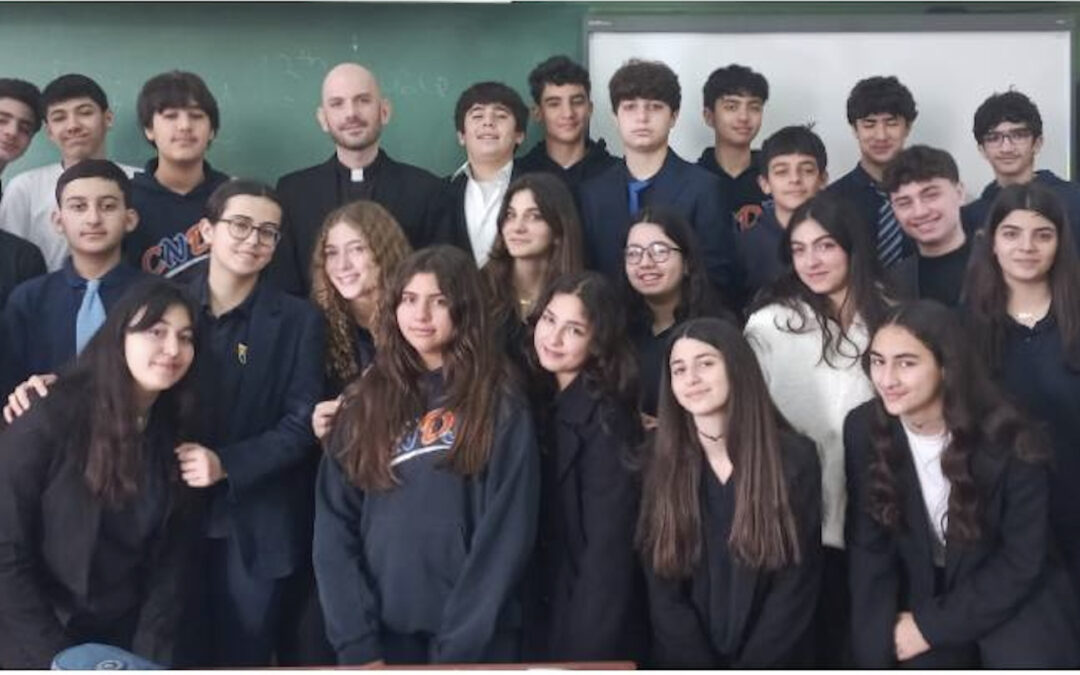
A Conversation with Br. Andrew Milewski SJ
This year at Collège Notre-Dame de Jamhour, Brother Andrew Milewski, SJ is serving on a one-year mission with the Jesuits in Lebanon and the Near East Province. He is a Jesuit in formation and is preparing for ordination in the Melkite Greek Catholic Church.
الخبرة الكبيرة – المبتدئ روجيه مجدي
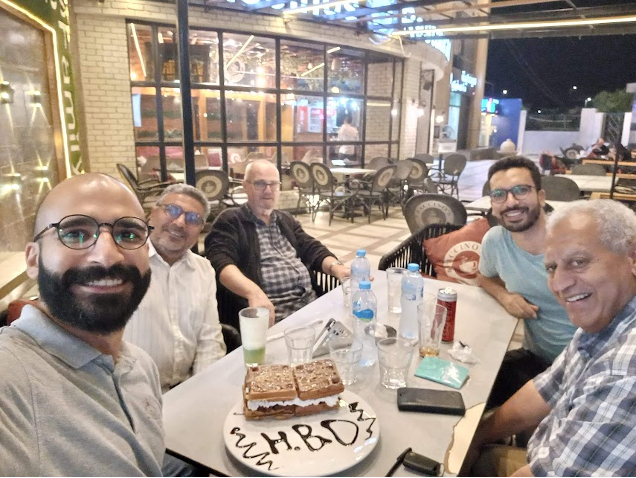
كل راهب يسوعي فور انضمامه للرهبنة يكون في مرحلة الابتداء. ومن مراحل التكوين أن في عامه الثاني للابتداء يذهب في خبرة طويلة. وعليه فقد كان محدد لي أن أرسل إلى مدينة المنيا لقضاء وقت خبرتي هناك حيث يوجد مُجمع به دير اليسوعيين، ملحق بمدرسة الآباء اليسوعيين، وجمعية “الجزويت والفرير” التنموية، ومبنى لتكوين الشباب. وعلى مسافة 20 دقيقة سيرًا على الأقدام، جنوبًا من/قبلي المدرسة يوجد مبنى الفرير بمنطقة جاد السيد الذي فيه تتم أنشطة تعليمية وتربوية لأهل المنطقة. ويُدعى الفرير نسبة لأول من أسسه الفرير شمعون اليسوعي لبناني الأصل.