
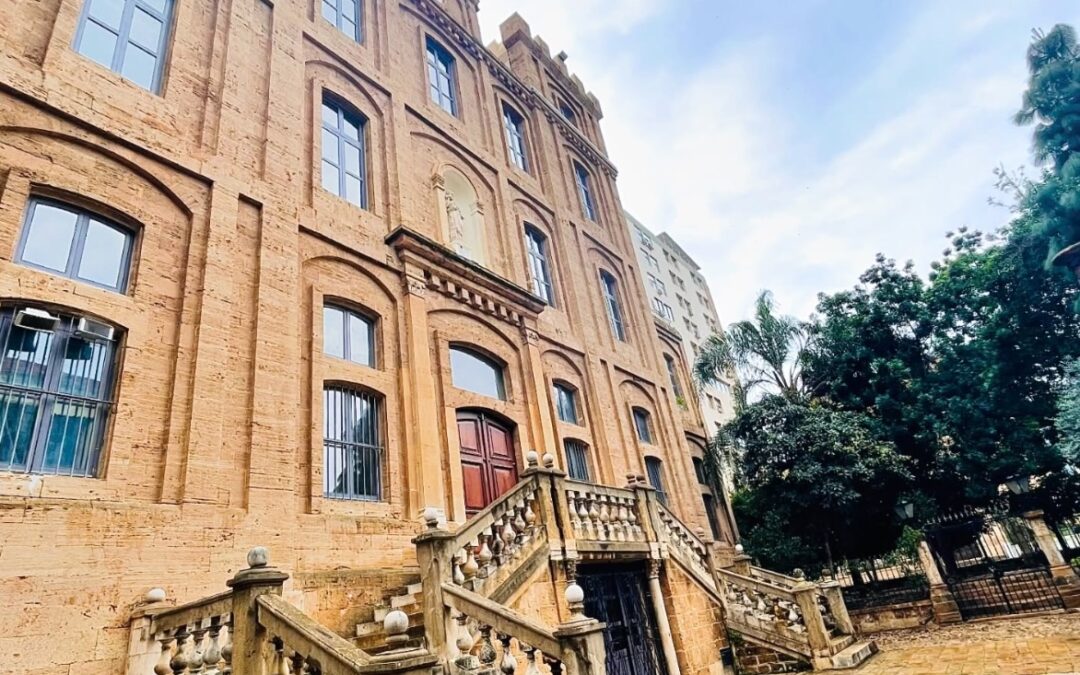
Note du consulteur mai 2026
La consulte provinciale s’est réunie du 8 au 10 mai à Saint-Joseph à Beyrouth. Les status à prévoir ont occupé une large partie de la consulte. Mais pas seulement !
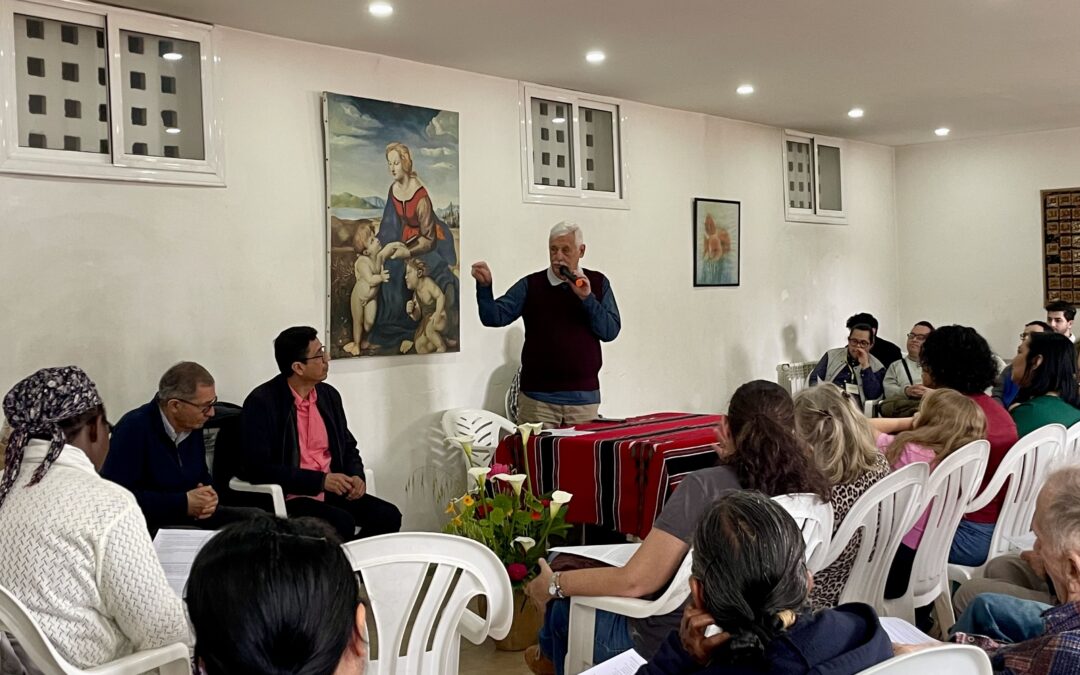
A Brief Chronicle of Father General’s Visit to Algeria, 2026
أخبار ذات صلةالنصّ العربيّ في الأسفل The Father General Arturo Sosa, SJ accompanied by his assistant Víctor Assouad, SJ arrived in Algeria on April 29. During their visit, which lasted until May 3, they explored various projects in Algiers and Constantine and met with...
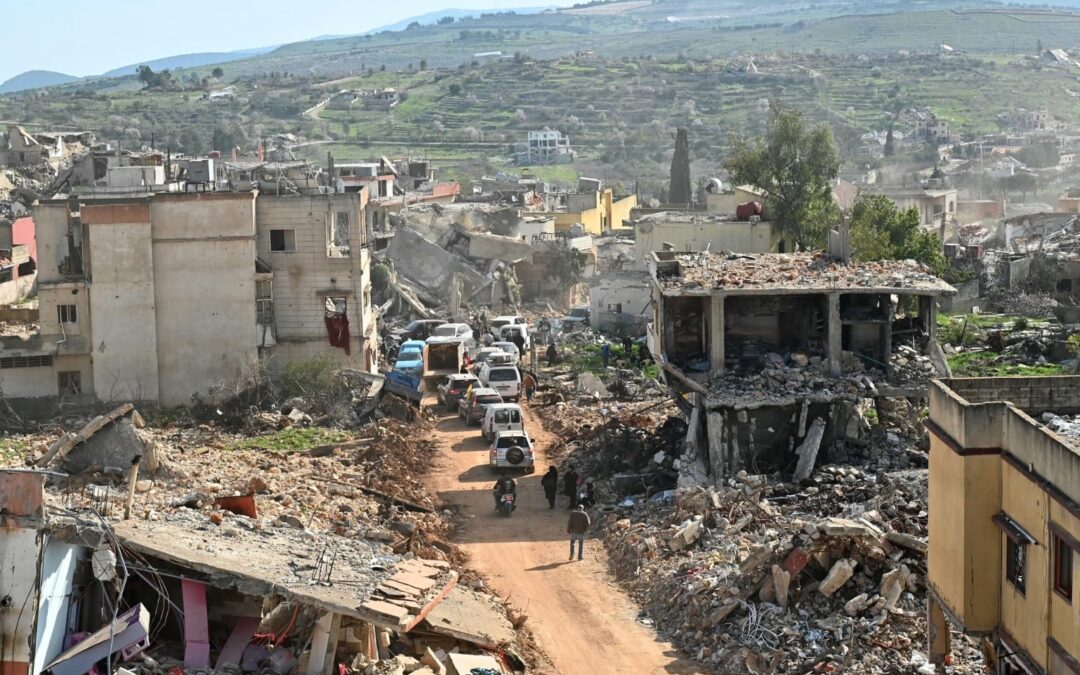
Face à la guerre, le CJC intensifie son action solidaire
أخبار ذات صلةالنصّ العربيّ في الأسفل Le CJC est plus que jamais actif depuis le déclenchement de la guerre. Comme il a été mentionné dans un article précédent, Les aides du CJC se déploient selon trois axes.Un premier axe est alimentaire et hygiénique ; il vise les...

Eight years ago today, on 6 August 2014, Feast of the Transfiguration of Our Lord, hundreds of thousands of people in the Nineveh Plains of Iraq were forcibly driven away from their ancestral lands by the advancing self-proclaimed Islamic State (IS, or ISIS). Three days earlier, on 3 August 2014, ISIS unleashed a genocidal campaign on the Ezidis (Yazidis) in the Sinjar district of the same Ninewa governorate. More than 1,290 Ezidis were killed, over 6,000 were kidnapped, and more than 2,700 remain missing to date. I remember taking to prayer the people affected by these tragic events that were unfolding in northern Iraq as I was putting the final touches to my doctoral dissertation in Berkeley, California. I had no idea that just over one year later a request would be made for me to come to Iraq as country director of the Jesuit Refugee Service (JRS). That finally happened in February 2016. JRS Iraq had been established since 20 October 2014. Fr Tony Calleja SJ, then JRS MENA Assistant Regional Director, commuted between Beirut and Erbil and had put a team on the ground in Ankawa and, later, in Ozal City, Kasnazan. Two of the original team are among the core staff of JRS Iraq to date. At the time, millions of people were internally displaced, mostly in the Kurdistan Region of Iraq (KRI), where JRS programmes first started. It was not before July 2019 that JRS could finally obtain legal recognition by the Government of Iraq (GoI), essential to implement interventions beyond the KRI, in federal Iraq. That said, JRS launched activities in Qaraqosh—the major Christian town in federal Iraq—in October 2017, only weeks after displaced persons from the town began to return in large numbers.
The Transfiguration has been key to my understanding of the mission of JRS and of the Society in Iraq. Over the past six and a half years, I have shared in the struggles and hopes of internally displaced persons and conflict-affected returnees through the ups-and-downs of the political and economic instability that still affects Iraq. My life has been greatly touched by the stories that people have shared with me, the profound anguish of traumatised survivors, the great suffering that many have been through, the remarkable resilience of people repeatedly battered by situations that came upon them due to the structural injustice of a destructive world (dis)order and regional and internal political rivalries.
As the only Jesuit in Iraq until very recently, I have been blessed to work with a diverse team of partners in mission, focused on being of service to vulnerable sisters and brothers. In the language of the universal apostolic preferences of the Society, “walking with the excluded” and “journeying with youth” define JRS programmes in Iraq. However imperfect our efforts may be, I have consistently understood every action, small or great, as an expression of the yearning in the Lord’s Prayer, “Your Kingdom come.”
Where are we today? In July 2017, the military campaign to retake Mosul, Iraq’s second city, from IS control was declared over. In December 2017, the Government of Iraq declared victory over IS. Whereas the post-2014 displacement in Iraq was largely due to the onset of the IS, the people of Iraq have experienced four decades of conflict since 1980. One could also go back to the self-serving decisions made by colonial powers in the beginning of the 20th century and further back to centuries of Ottoman occupation. As in the Contemplation on the Incarnation in the Spiritual Exercises, God chooses to enter human history in all its messiness. Almost five years have passed from the conclusion of the major military campaign to recover territory that had been occupied by IS. Currently, some 150 JRS colleagues—almost all Iraqi nationals—implement programmes serving internally displaced genocide survivors from Sinjar in Sharya, near Duhok, and mainly Christian returnees to Qaraqosh, in the Nineveh Plains of Ninewa. With a view to provide ongoing accompaniment, JRS is planning to launch a pilot programme in the Sinjar district.
Just before the Transfiguration event, Jesus had announced to his disciples that he would suffer greatly and be put to death. On the mountain, the transfigured Jesus shows them what will happen afterwards, the Resurrection.
From the outset, I considered the mission that I was given in Iraq to be the mission of the Society. As my term with JRS comes to an end, the question about the mission of the Society of Jesus in Iraq is no less prominent. Today, more than 40% of Iraq’s population of 41 million are under 15 years of age. Iraq is a young country. In prayer, I have asked repeatedly what options lie ahead for the children and youth of Iraq. The ‘reply’ that continues to come to me is: “At the sight of the crowds, his heart was moved with pity for them because they were troubled and abandoned, like sheep without a shepherd. Then he said to his disciples, ‘The harvest is abundant but the laborers are few; so ask the master of the harvest to send out labourers for his harvest.’” (Matthew 9:36-38)
Joseph Cassar, SJ
Iraq, 6 August 2022
Note du consulteur mai 2026
La consulte provinciale s’est réunie du 8 au 10 mai à Saint-Joseph à Beyrouth. Les status à prévoir ont occupé une large partie de la consulte. Mais pas seulement !
A Brief Chronicle of Father General’s Visit to Algeria, 2026
أخبار ذات صلةالنصّ العربيّ في الأسفل The Father General Arturo Sosa, SJ accompanied by his assistant Víctor Assouad, SJ arrived in Algeria on April 29. During their visit, which lasted until May 3, they explored various projects in Algiers and Constantine and met with...
Face à la guerre, le CJC intensifie son action solidaire
أخبار ذات صلةالنصّ العربيّ في الأسفل Le CJC est plus que jamais actif depuis le déclenchement de la guerre. Comme il a été mentionné dans un article précédent, Les aides du CJC se déploient selon trois axes.Un premier axe est alimentaire et hygiénique ; il vise les...
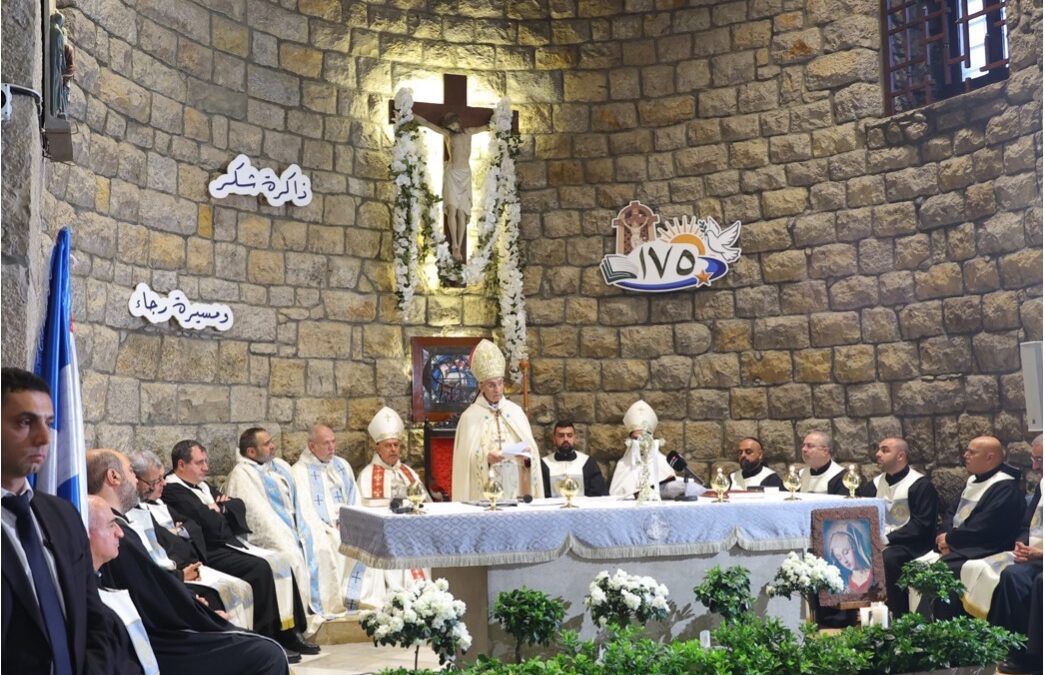
أخويّة الرجال في سيدة النجاة بكفيّا تحتفل بيوبيلها
أخويّة العذراء الّتي حُبل بها بلا دنس، أخويّة الرجال الّتي تأسّست في دير بكفيّا، سُجّلت في رابطة الأخويّات العالميّة سنة ١٨٥١. حين احتفلت بمئويّتها سنة ١٩٥١، ابتكر رئيسها آنذاك، السيّد يوسف أبي هيلا، مع رفيقنا الأب جورج خوري، رحمهما الله، رابطة الأخويّات في لبنان.
Note du consulteur – Mars 2026
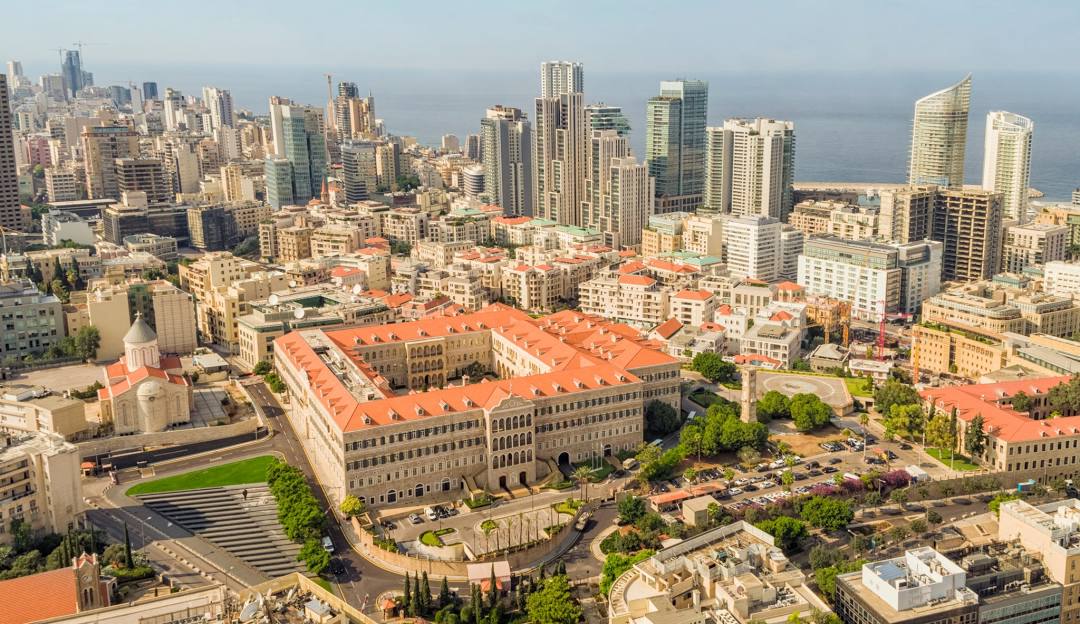
La consulte s’est déroulée du 25 au 28 mars 2026 à Saint-Joseph à Beyrouth. En tout premier, nous avons félicité le P. Marek Cieslik que le père général a nommé provincial de la PRO à partir du 8 septembre prochain.
La visite du Pape Léon XIV en Algérie : les jésuites s’impliquent pour un événement exceptionnel
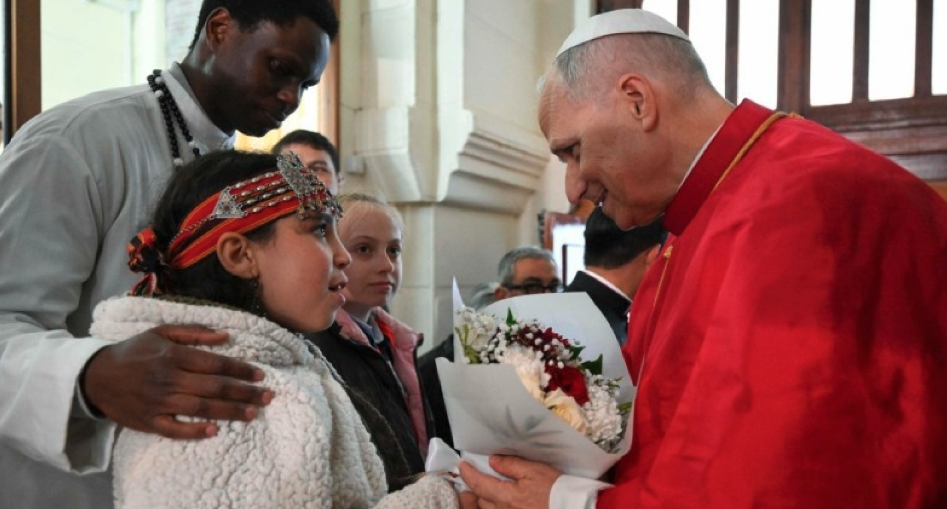
Depuis un an, on en parlait, puisqu’on savait que notre Cardinal avait invité le Pape Léon XIV à visiter l’Algérie le jour-même de son élection ; depuis au moins 3 mois, on y travaillait, et les dernières semaines ont été intensives pour au moins 3 jésuites