
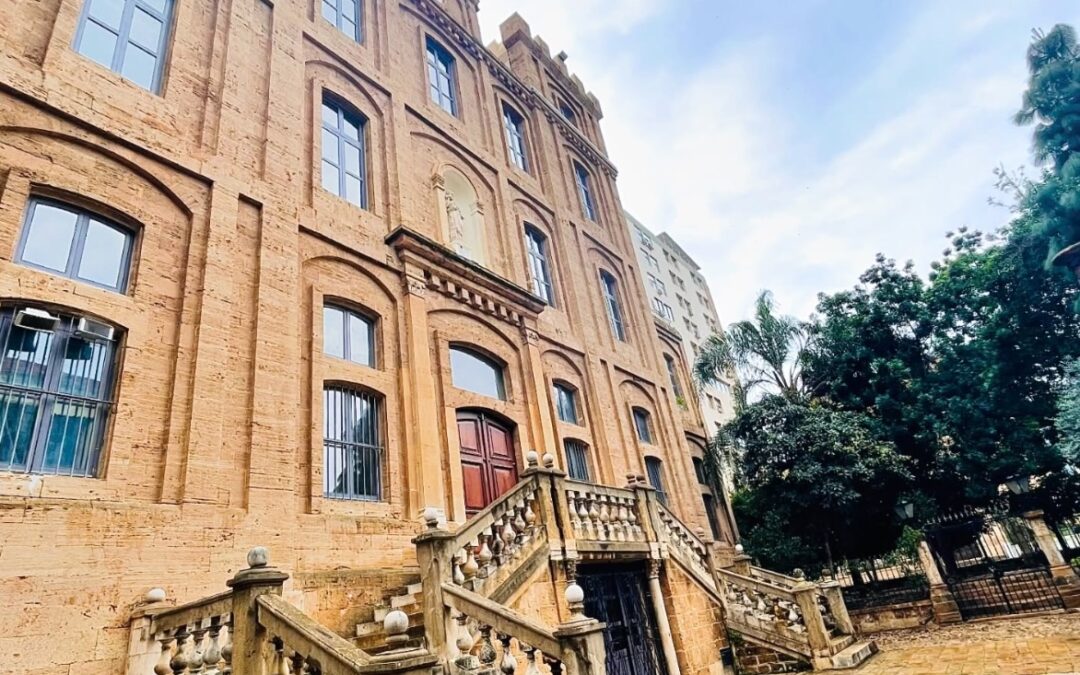
Note du consulteur mai 2026
La consulte provinciale s’est réunie du 8 au 10 mai à Saint-Joseph à Beyrouth. Les status à prévoir ont occupé une large partie de la consulte. Mais pas seulement !
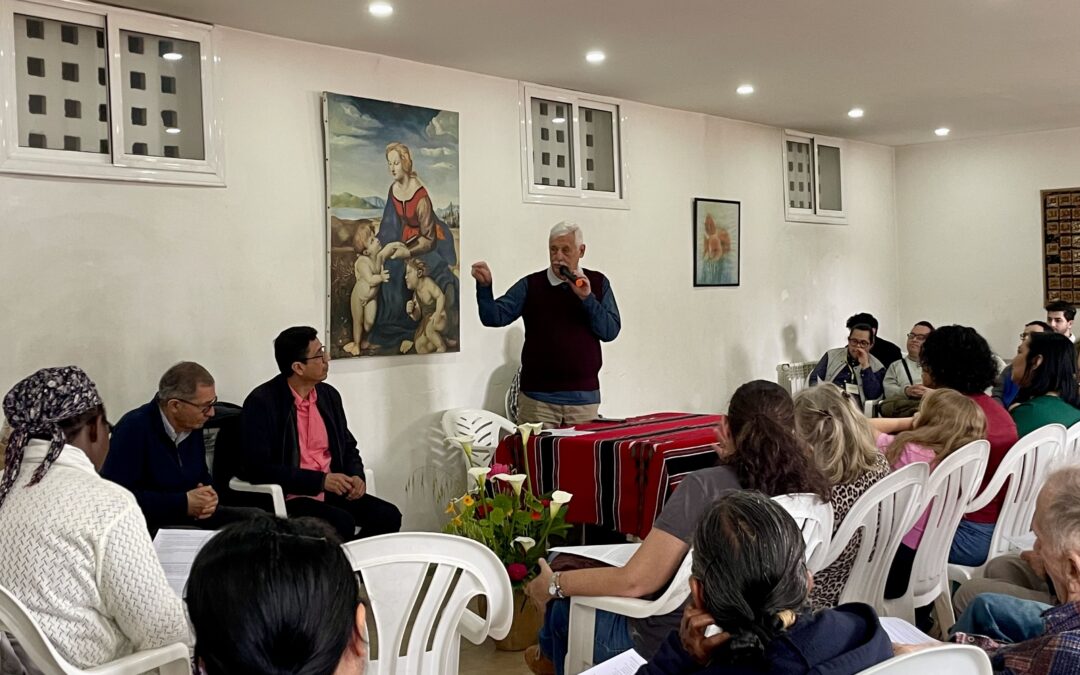
A Brief Chronicle of Father General’s Visit to Algeria, 2026
أخبار ذات صلةالنصّ العربيّ في الأسفل The Father General Arturo Sosa, SJ accompanied by his assistant Víctor Assouad, SJ arrived in Algeria on April 29. During their visit, which lasted until May 3, they explored various projects in Algiers and Constantine and met with...
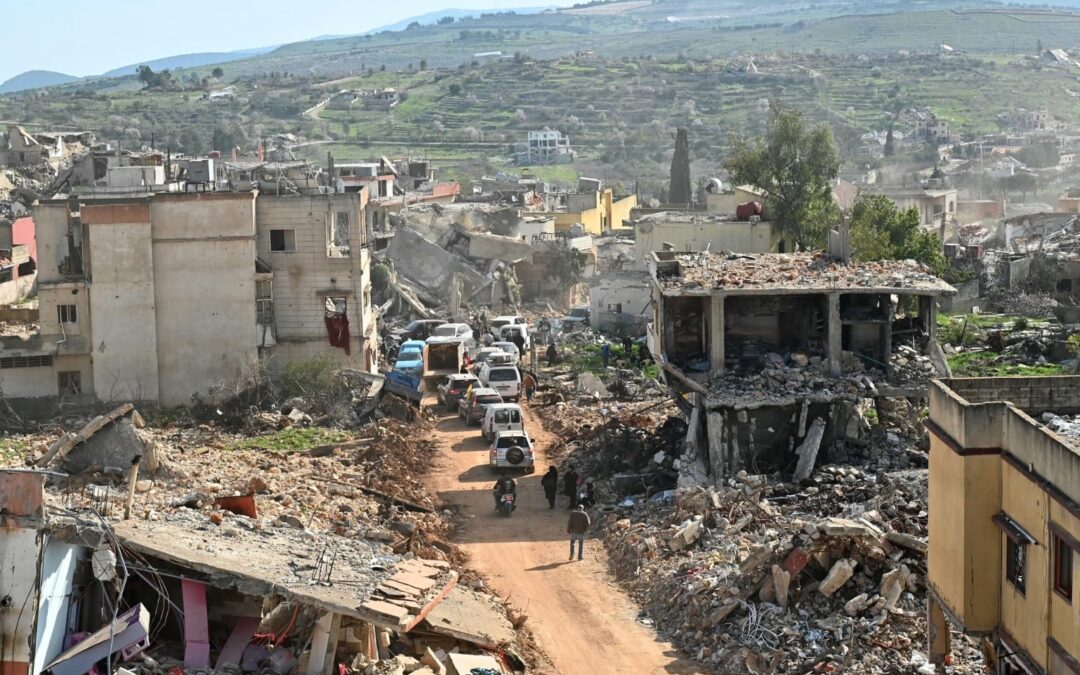
Face à la guerre, le CJC intensifie son action solidaire
أخبار ذات صلةالنصّ العربيّ في الأسفل Le CJC est plus que jamais actif depuis le déclenchement de la guerre. Comme il a été mentionné dans un article précédent, Les aides du CJC se déploient selon trois axes.Un premier axe est alimentaire et hygiénique ; il vise les...

Dear Brothers and Sisters, dear Friends,
The celebration of the Feast of Saint Joseph and the 150th anniversary of Saint Joseph University present a wonderful opportunity to reflect on the name of our university and the inspiration it carries.
In 1870, five years before this University was founded, Pope Pius IX officially declared Saint Joseph the patron of the universal Church. At the same time, Saint Joseph serves as an exemplary model of an educator. As a father, alongside his spouse Mary, they bore the primary responsibility for the education of their son, Jesus. These two elements may well have inspired the university’s founders to name it after Saint Joseph.
However, Saint Joseph might seem for us today as an unlikely figure for an institution of Higher Education. He is not the type of intellectual person we commonly think of. After all, was he not a simple manual worker by virtue of his profession as a carpenter? Do we not often emphasize that he was “outpaced by circumstances” and merely an obedient man who remained silent? Indeed, the Gospels do not attribute a single word directly to him.
Yet, I firmly believe that the hallmark of an intellectual is the ability to go into depth. And one cannot do so without silence, without deep listening, without critical distance and perspective. Saint Joseph went beyond conventions, beyond natural reactions, beyond societal expectations, in order to listen to the Spirit of God and make the right decisions. His obedience was not the result of blind submission, but of a profound search for God’s will.
My predecessor as Superior General of the Society of Jesus, Father Adolfo Nicolás, often spoke of the “globalization of superficiality.” To form intellectuals is, above all, to form individuals capable of overcoming superficiality—just as Saint Joseph did—in order to seek deeper understanding, discern God’s will, and contribute to the common good.
During the International Congress of Education Delegates of the Society of Jesus in Rio de Janeiro, Brazil, in October 2017, I said:
” The need to profoundly understand our world in order to offer the greatest and best service to the Glory of God is why we see our mission as an intellectual apostolate. We want to understand human beings and the world in all their complexity, so that human beings can shape the world in a way that is more compassionate, and therefore more divine. (…) Simply working in higher education, in a school or in a research centre doesn’t make us “intellectuals”. (…) For those who share in the mission of the Society of Jesus, being an “intellectual” means being an effective instrument of the apostolate. True intellectuals in our apostolic mission are those who understand the world and its challenges, enabling them to proclaim the Good News in a way that is relevant, compelling, and transformative. Education is truly effective when it embraces this dimension of the intellectual apostolate. “
Dear friends, today is a particularly fitting occasion to give thanks to the Lord for granting us Saint Joseph as the patron of this university and true example of the intellectuals we want to form. I echo the words of the Psalm we have just heard:
“The love of the Lord, I will sing forever;
from age to age, I will proclaim your faithfulness.
I have declared: Your love is established forever;
your faithfulness is firmer than the heavens.”
I sincerely hope that, through the intercession of Saint Joseph, in a world overwhelmed by noise and distraction—where immediacy and superficiality constantly threaten us—we may remain committed to preserving spaces for depth, reflection, analysis, discernment, silence, listening, and prayer. This is the key to bearing fruit in service to Lebanon and the world.
Amen
Fr. Arturo Sosa, S.J.
أخبار ذات صلة
Note du consulteur mai 2026
La consulte provinciale s’est réunie du 8 au 10 mai à Saint-Joseph à Beyrouth. Les status à prévoir ont occupé une large partie de la consulte. Mais pas seulement !
A Brief Chronicle of Father General’s Visit to Algeria, 2026
أخبار ذات صلةالنصّ العربيّ في الأسفل The Father General Arturo Sosa, SJ accompanied by his assistant Víctor Assouad, SJ arrived in Algeria on April 29. During their visit, which lasted until May 3, they explored various projects in Algiers and Constantine and met with...
Face à la guerre, le CJC intensifie son action solidaire
أخبار ذات صلةالنصّ العربيّ في الأسفل Le CJC est plus que jamais actif depuis le déclenchement de la guerre. Comme il a été mentionné dans un article précédent, Les aides du CJC se déploient selon trois axes.Un premier axe est alimentaire et hygiénique ; il vise les...
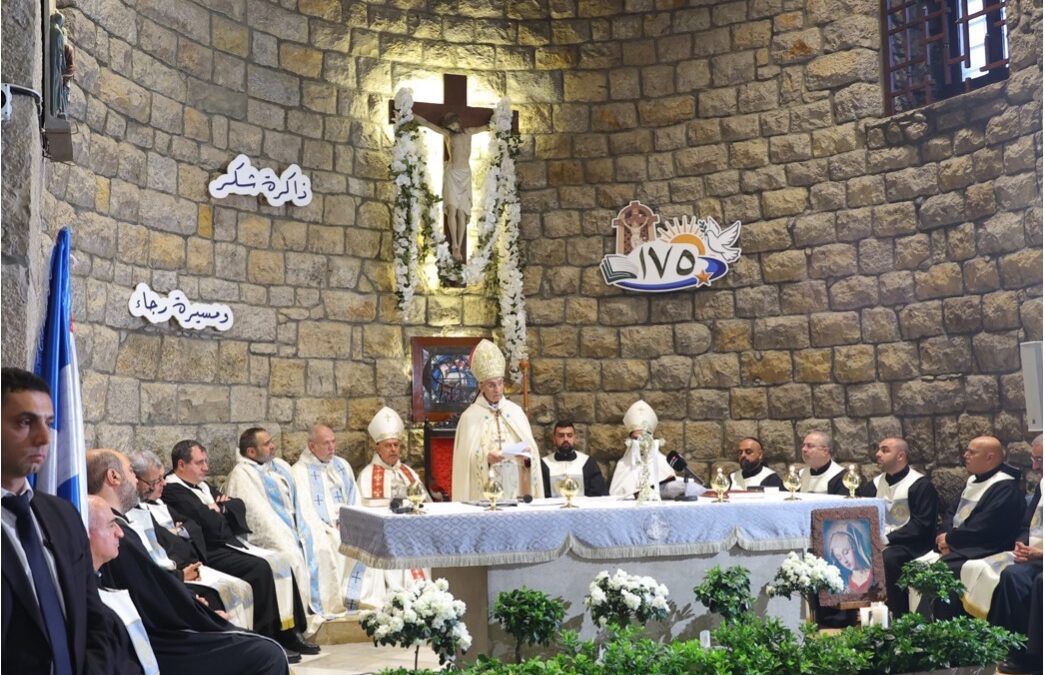
أخويّة الرجال في سيدة النجاة بكفيّا تحتفل بيوبيلها
أخويّة العذراء الّتي حُبل بها بلا دنس، أخويّة الرجال الّتي تأسّست في دير بكفيّا، سُجّلت في رابطة الأخويّات العالميّة سنة ١٨٥١. حين احتفلت بمئويّتها سنة ١٩٥١، ابتكر رئيسها آنذاك، السيّد يوسف أبي هيلا، مع رفيقنا الأب جورج خوري، رحمهما الله، رابطة الأخويّات في لبنان.
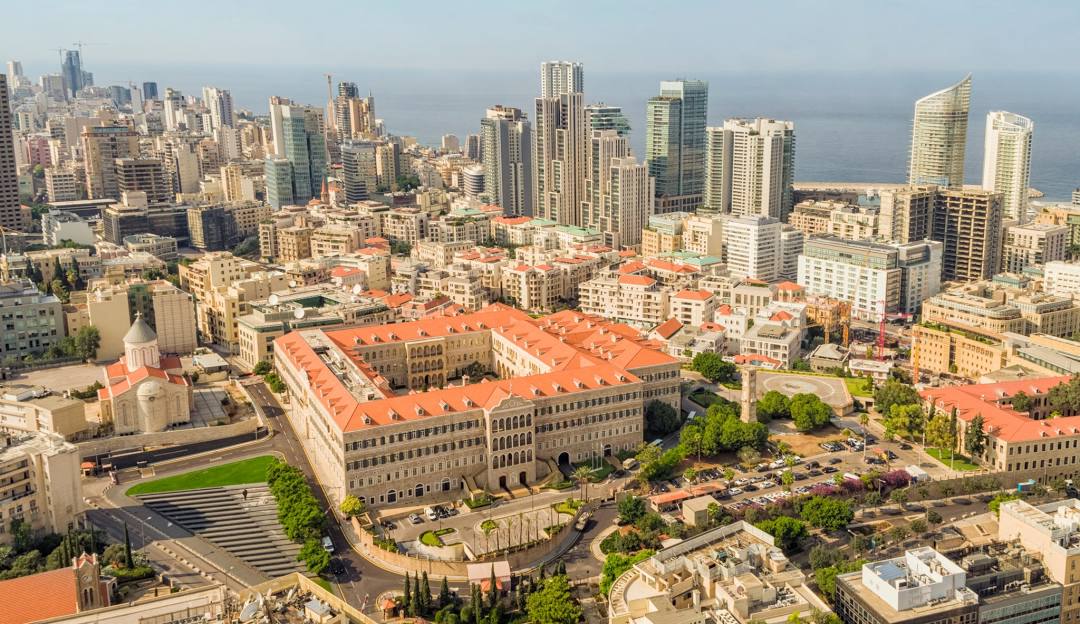
Note du consulteur – Mars 2026
La consulte s’est déroulée du 25 au 28 mars 2026 à Saint-Joseph à Beyrouth. En tout premier, nous avons félicité le P. Marek Cieslik que le père général a nommé provincial de la PRO à partir du 8 septembre prochain.
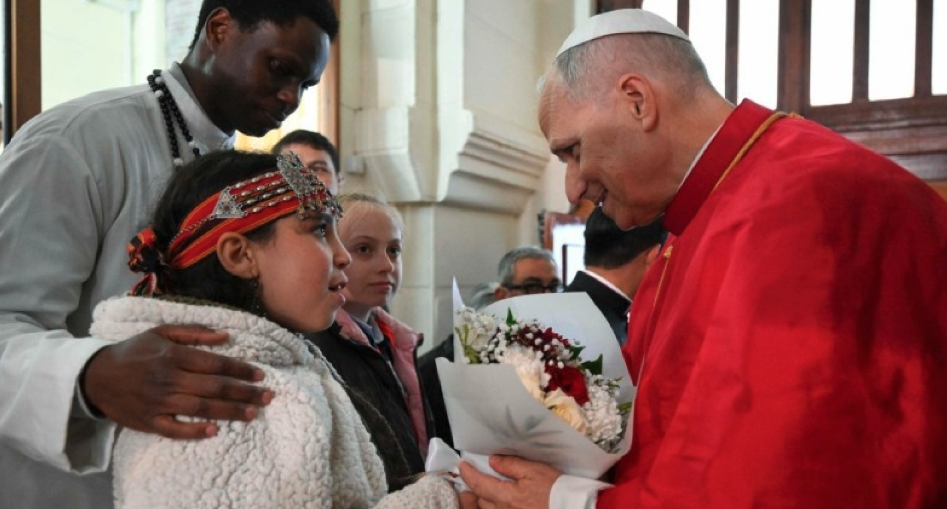
La visite du Pape Léon XIV en Algérie : les jésuites s’impliquent pour un événement exceptionnel
Depuis un an, on en parlait, puisqu’on savait que notre Cardinal avait invité le Pape Léon XIV à visiter l’Algérie le jour-même de son élection ; depuis au moins 3 mois, on y travaillait, et les dernières semaines ont été intensives pour au moins 3 jésuites